

From New Orleans to the Gulf: Exploring Louisiana's Wild Side
/
From New Orleans to the Gulf: Exploring Louisiana's Wild Side
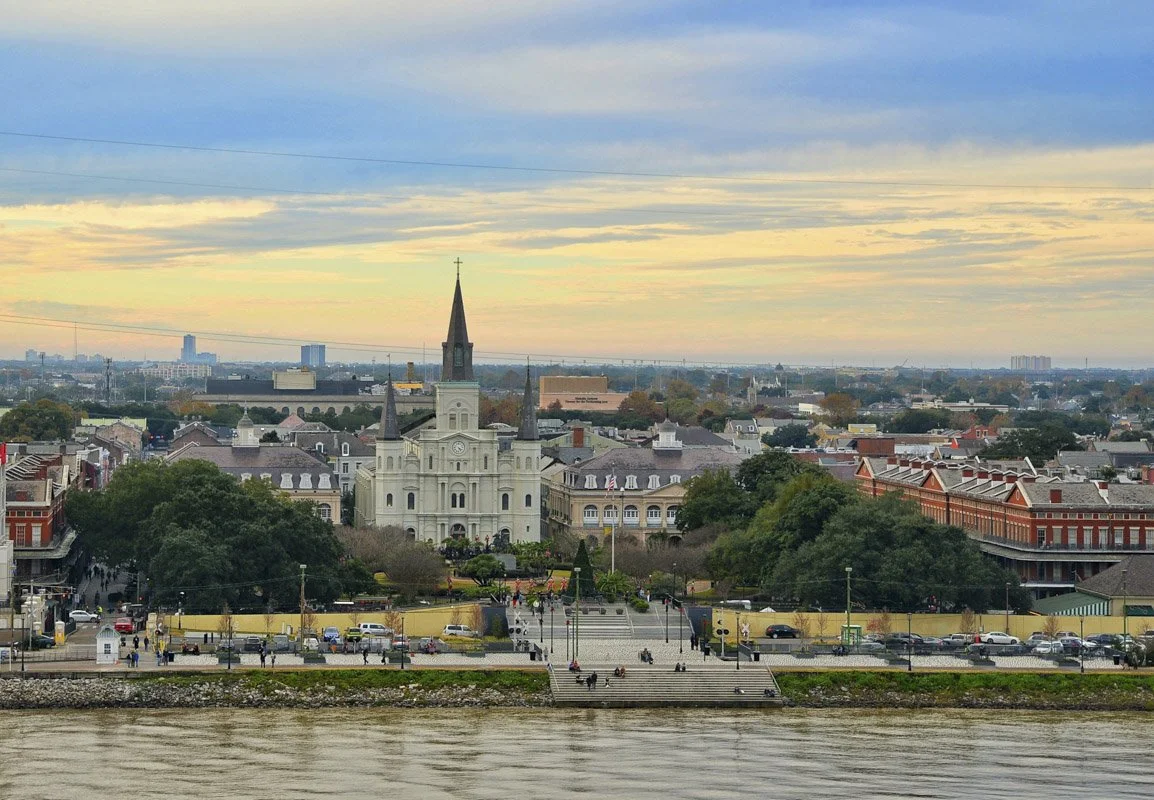
Louisiana’s wild side is surprisingly close to New Orleans. Once you get beyond the music venues and historic streets, you’ll find bayous, marshes, and barrier islands stretching toward the Gulf. You can spot alligators from a boardwalk, paddle beneath moss-covered trees, or spend the morning out on the water, then head back to the city for dinner. The best part is that you don’t have to choose between exploring and relaxing. There’s plenty of room for spontaneous stops, but you can also plan a few excursions in advance.
Start at the city’s wild edges
New Orleans makes a convenient base because several natural areas sit within an hour’s drive. The broader Greater New Orleans region includes wetlands, lakes, and communities where the pace changes quickly once you leave downtown.
Bayou Sauvage National Urban Wildlife Refuge, located inside the city limits, offers an easy introduction. Short trails and observation areas provide chances to see wading birds, turtles, and alligators. Jean Lafitte National Historical Park and Preserve is another accessible option, with boardwalks that pass through bottomland forest and swamp. Visit early in the morning for cooler temperatures, active wildlife, and softer light for photos.
Get out on Louisiana’s inshore waters
The marshes near Shell Beach form a maze of shallow ponds, channels and open bays. A guided trip helps visitors experience these waters without planning a route, getting equipment, or understanding changing tides on their own. Local fishing charters provide bait, tackle, and lunch for outings focused on redfish, speckled trout, black drum, sheepshead, and flounder. These trips can suit experienced anglers as well as families introducing children to the activity.
Ask about departure time, trip length, and weather policies when reserving. Pack polarized sunglasses, sun protection, and a light waterproof layer. Morning conditions can feel cool while the return trip may be hot and bright, especially from late spring through early fall.
Paddle through quieter wetlands
A kayak or canoe gives you a closer view of the wetland environment. Paddlers can slip through narrow waterways where motorized boats may not travel, making it easier to hear frogs, spot birds, and study the roots of bald cypress trees. Beginners should choose a guided outing or a clearly marked route with mild currents.
Conditions can change quickly, so check the forecast and tell someone where you’re going. Bring drinking water, insect repellent, and a waterproof pouch for your phone. Keep a respectful distance from all wildlife and avoid blocking narrow channels. For more ideas near the city, this guide to New Orleans wildlife experiences highlights outdoor places that travelers sometimes overlook.
Follow the coast beyond the marsh
Traveling south reveals a water-shaped landscape. Small communities, working docks, and expansive marsh views replace New Orleans' dense streets. Grand Isle, Louisiana’s inhabited barrier island, is a popular destination for beach walks, birdwatching, and Gulf sunsets.
The drive deserves time of its own. Stop only in safe, designated areas and support local restaurants or shops along the route. Once on the coast, check beach access conditions before setting out because storms, tides, and restoration projects can affect particular areas. Spring and fall generally bring comfortable temperatures, while summer visitors should schedule outdoor activities early and take a midday break.
Plan for the climate and the wildlife
Louisiana’s heat and humidity can surprise visitors, especially on exposed water or boardwalks. Wear light, breathable clothing and reapply broad-spectrum sunscreen during longer outings. A reusable water bottle, hat, and insect repellent belong in every day bag. Traction-grip shoes are useful because docks and trails may remain slippery after rain.
Observe animals without feeding or approaching them. An alligator resting near a path needs plenty of space, and nesting birds can abandon an area when people move too close. Binoculars let you see details while maintaining a safe distance. If posted signs close a trail or shoreline, treat the closure as final and choose another location.
Build a route that leaves room to linger
A practical three-day itinerary might combine one city day, one marsh excursion, and one coastal drive. Spend the first afternoon at an urban refuge, reserve the second morning for a guided activity, and use the third day to explore toward Grand Isle. This schedule limits long drives and leaves flexibility for weather changes.
Avoid packing several distant attractions into one day. Louisiana’s waterways set their own pace, and the best moments often arrive during an unhurried stop, such as watching a roseate spoonbill cross a quiet pond or seeing the evening light turn the marsh grass gold. Leave New Orleans early, keep your schedule loose, and let the Gulf Coast provide the day’s final view.

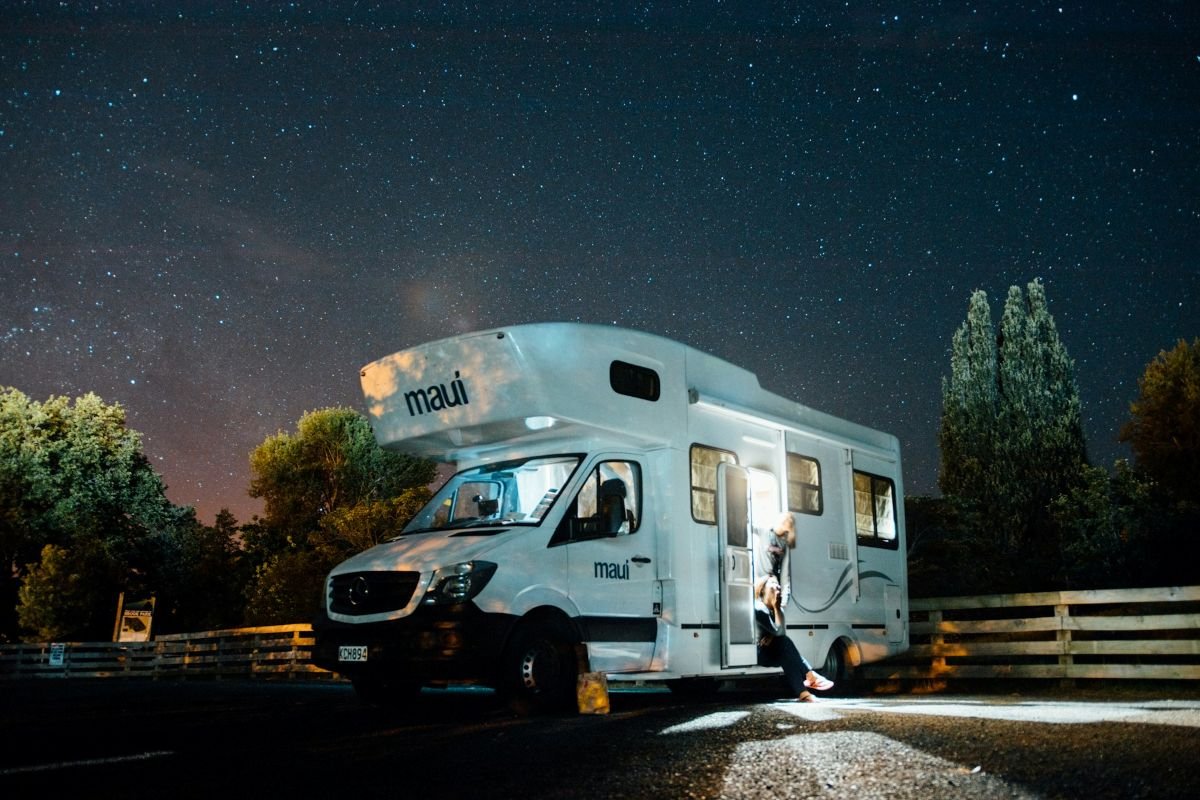
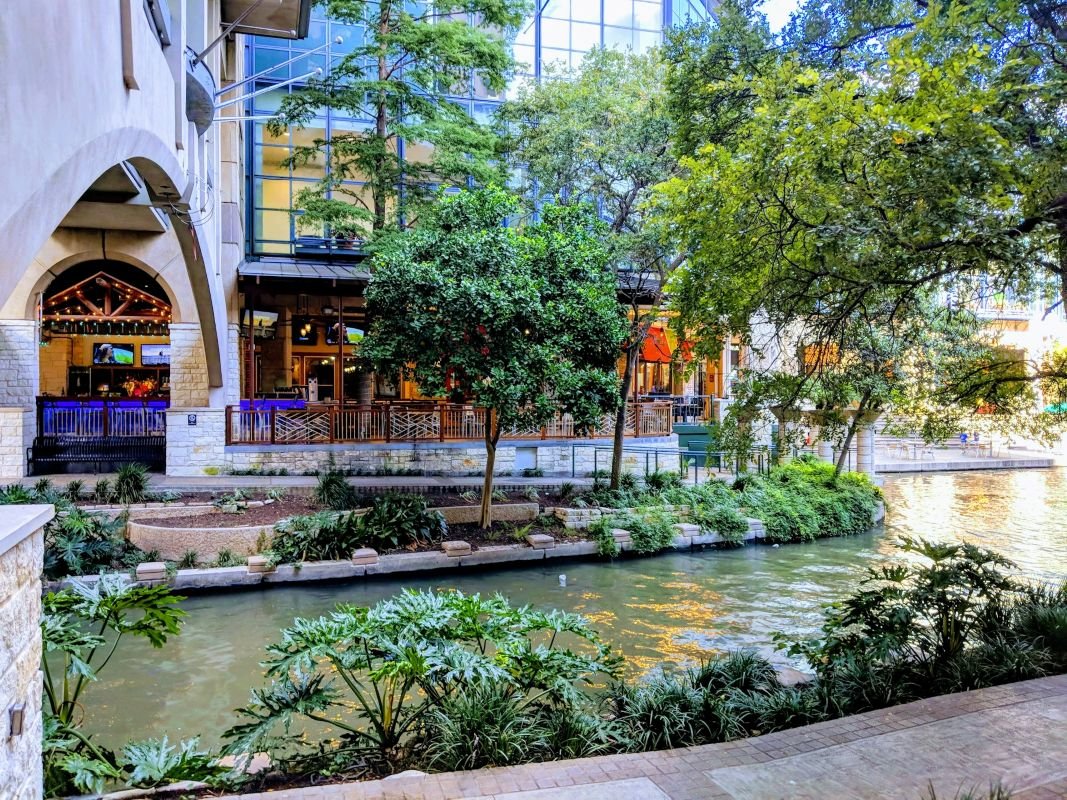





Plan a relaxing Central Texas RV getaway with tips on choosing the right RV resort, exploring the Texas Hill Country, discovering outdoor activities, and enjoying a stress-free road trip.