

Cycling Tour in Italy: Why Slow Travel Offers Deeper Exploration
/
Cycling Tour in Italy: Why Slow Travel Offers Deeper Exploration
Slow travel gives you enough time to understand a place beyond its headline attractions. Instead of squeezing several countries into one packed itinerary, you might spend a week in one region, travel overland and leave room for discoveries that never appear on a checklist. The slower pace creates more opportunities to meet local people, recognize regional differences and settle into the rhythms of everyday European life. It can also reduce the exhaustion that comes from changing hotels every other night.
What Slow Travel Looks Like in Practice
There’s no fixed minimum stay or required mode of transportation. The broader idea behind slow travel is to spend more meaningful time in fewer places. A 10-day trip might focus on Tuscany and Umbria instead of racing between Rome, Florence, Venice and Milan.
You could rent an apartment for a week, return to the same bakery each morning and take regional trains to nearby towns. Walking, cycling and public transportation naturally reveal details that are easy to miss from a tour bus. The aim is to create enough space in your schedule for a long lunch, a local recommendation or an unexpected village festival.
Choose Transportation That Connects You to the Place
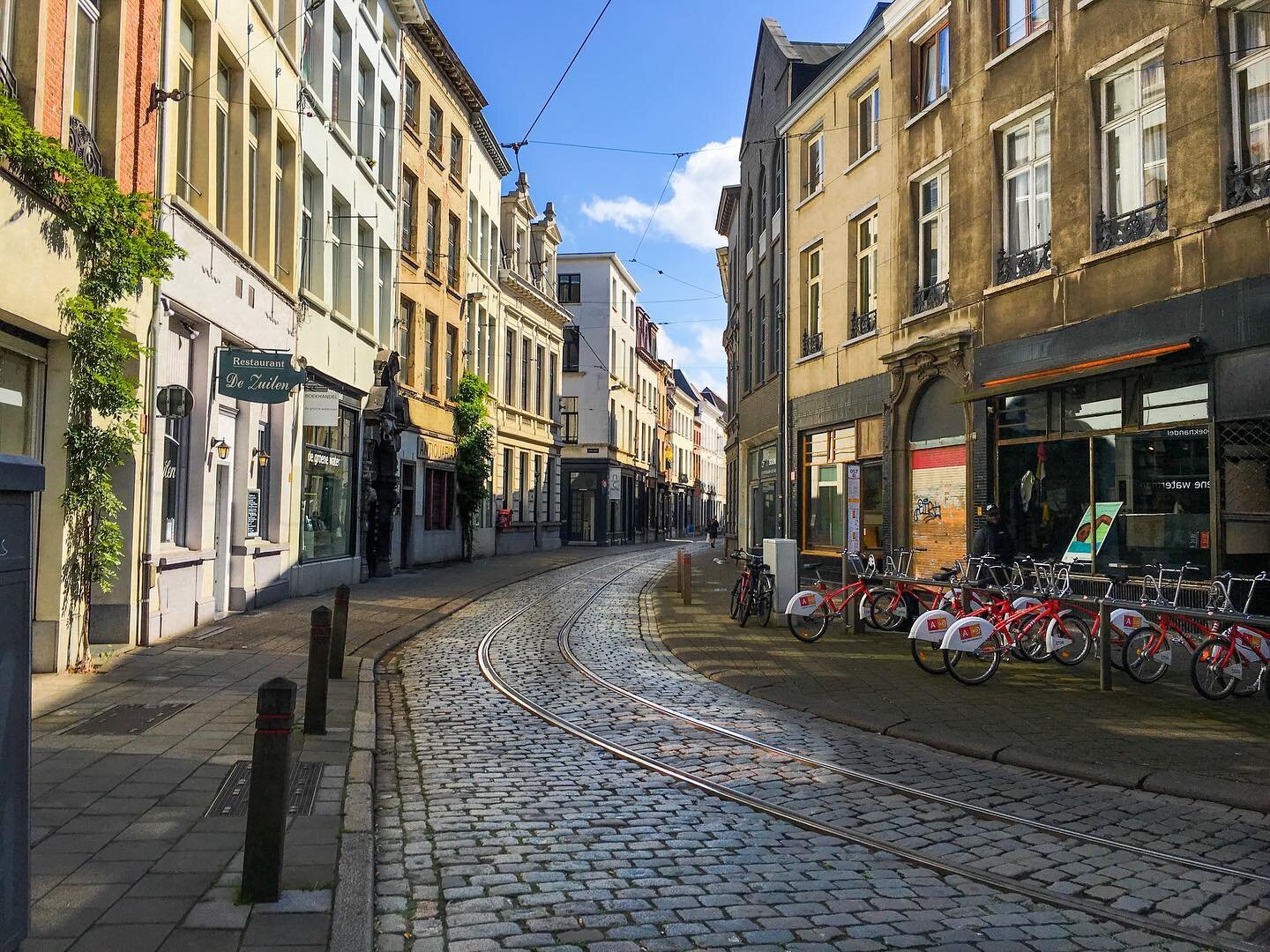
Travel between destinations becomes part of the experience when you move at ground level. European rail routes pass through farmland, mountain valleys and small communities, while regional buses often reach places beyond the major train network. Ferries can offer an equally memorable way to travel between islands or coastal cities.
Active trips bring you even closer to the terrain. A guided cycling tour in Italy can combine challenging rides with scenic exploration and authentic hospitality in regions such as Tuscany, Sicily or Puglia. Since you’re moving through the countryside at a human pace, you can notice shifts in architecture, agriculture and food traditions across relatively short distances.
Staying Longer Changes What You Notice
A quick visit gives you landmarks and first impressions. Several days in one place reveal the morning market routine, quieter neighborhoods and the times when residents actually use the central square. You also gain flexibility. If rain arrives on the day you planned to hike, you can visit a museum and move the trail to another afternoon.
Longer stays may make accommodation more comfortable too. The benefits of slow travel often include having a more settled base with space to cook, rest and spend time together. Even a modest apartment can make a trip feel less transient, especially when it has a kitchen, laundry facilities and easy access to neighborhood shops.
Local Food Becomes More Than a Single Meal
European cuisine changes sharply from one region to the next, sometimes within the same country. Staying longer lets you understand those differences through repeated, ordinary experiences. In northern Italy, for example, you may encounter rice, polenta and filled pasta more often. Travel south and local menus increasingly reflect different produce, cheeses and coastal ingredients.
Shop at a produce market and ask what’s currently in season. Book one special restaurant, but also try family-run cafes, bakeries and simple lunch counters. If your accommodation has a kitchen, prepare a meal with local ingredients. These small choices help you connect food with the farms, climate and customs of the region instead of treating every meal as another reservation to manage.
Build an Itinerary With Breathing Room
Start by choosing one region and two bases for a trip of seven to ten days. Look for towns connected by straightforward train, bus or cycling routes, then identify a few experiences that genuinely require advance booking. Leave at least one day open in each base so you can follow local advice or adjust for the weather.
Keep daily plans realistic. One museum, neighborhood or countryside excursion often provides enough structure without turning the day into a race. Check opening hours carefully since smaller attractions and restaurants may close during the afternoon or on particular weekdays.
Budgeting by day can also help. Longer apartment stays and fewer transfers may reduce some costs, leaving room for a cooking class, guided ride or locally run tour. Your return flight will still come quickly, but you’ll leave with specific memories: the cafe owner who remembered your order, the hill town reached on a quiet morning and the road you had time to follow simply because it looked interesting.

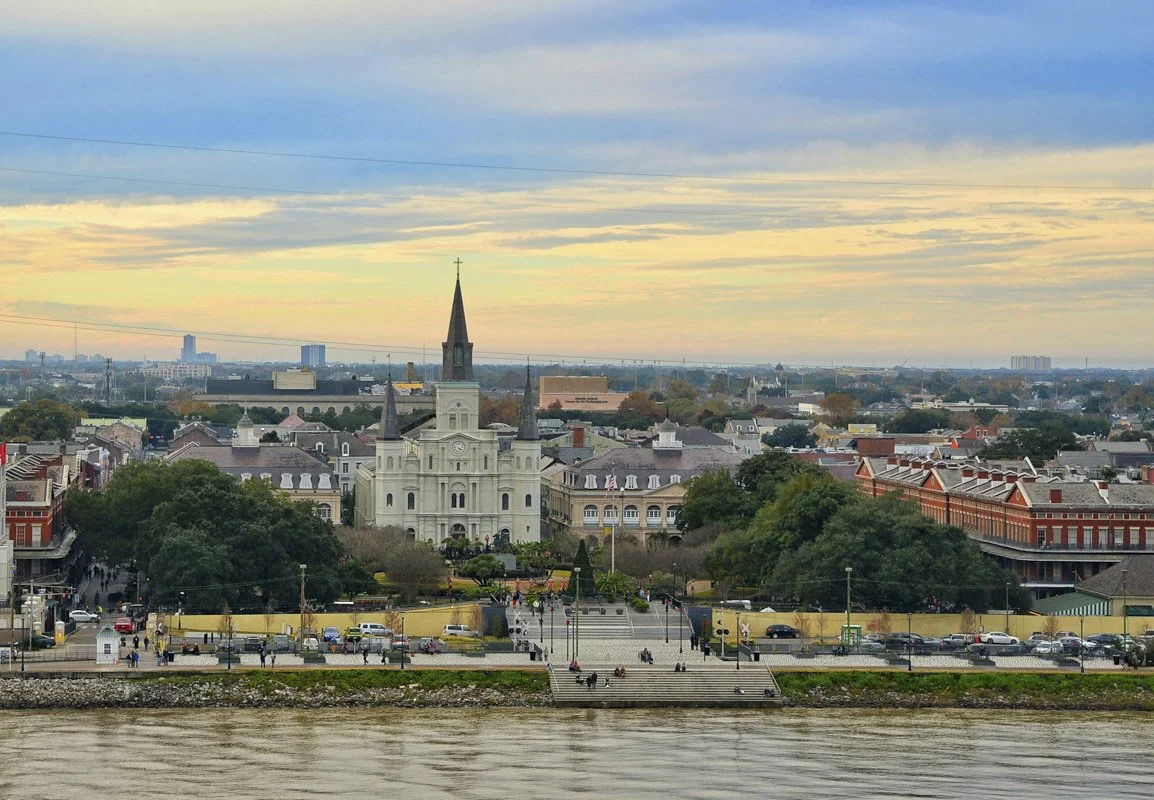
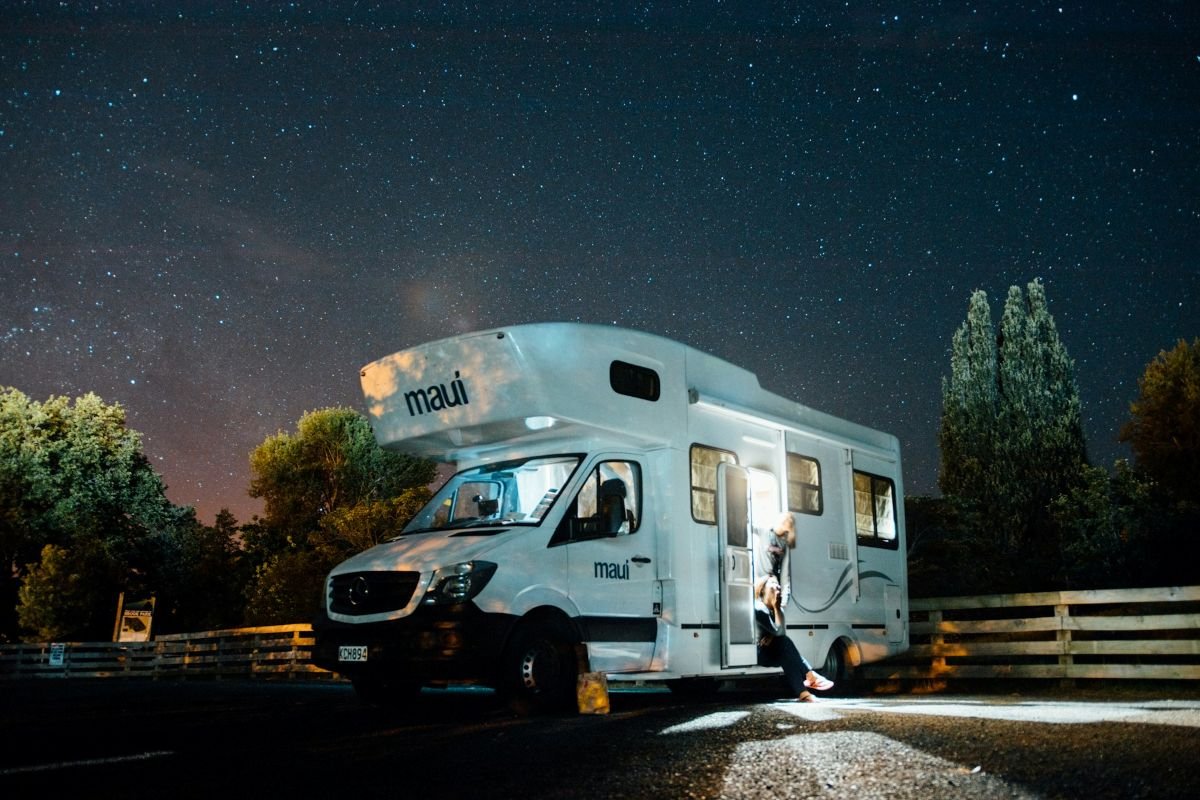
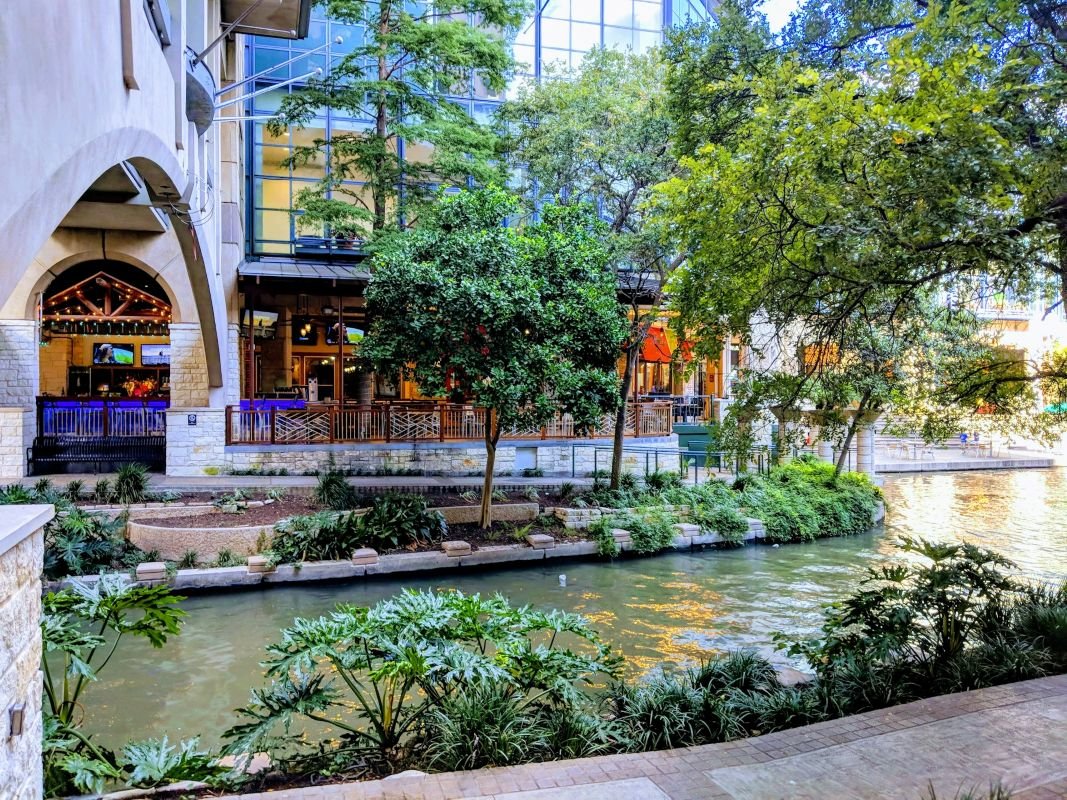

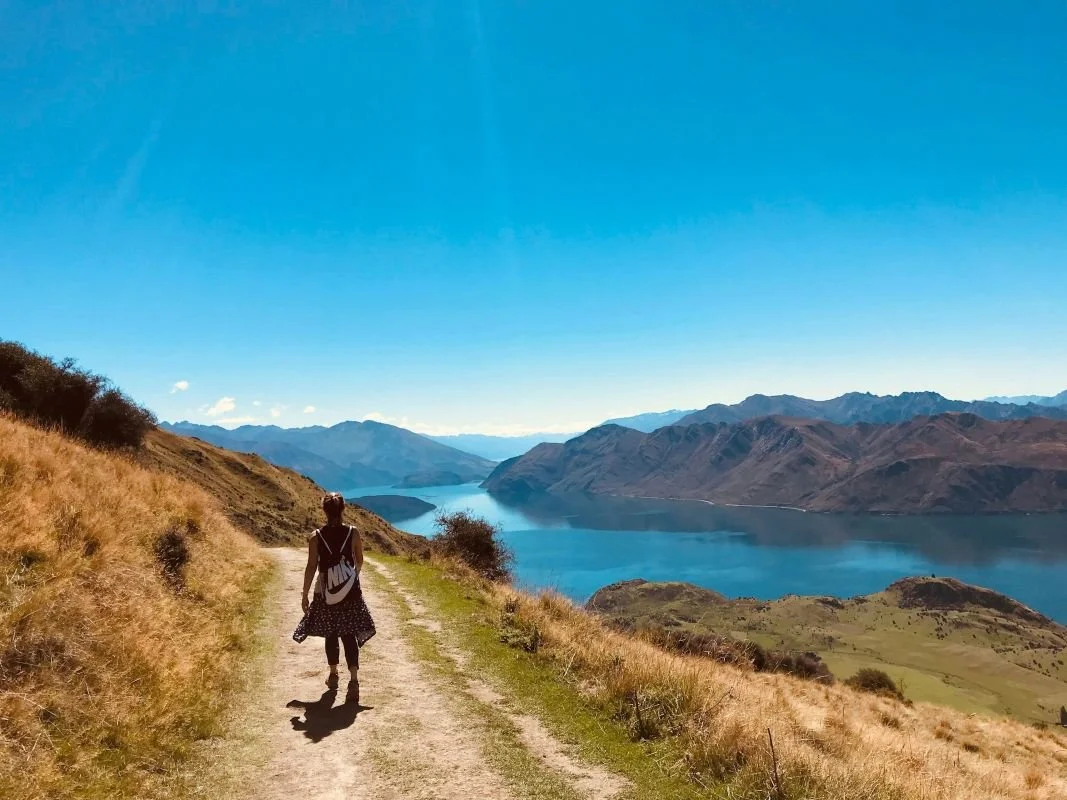
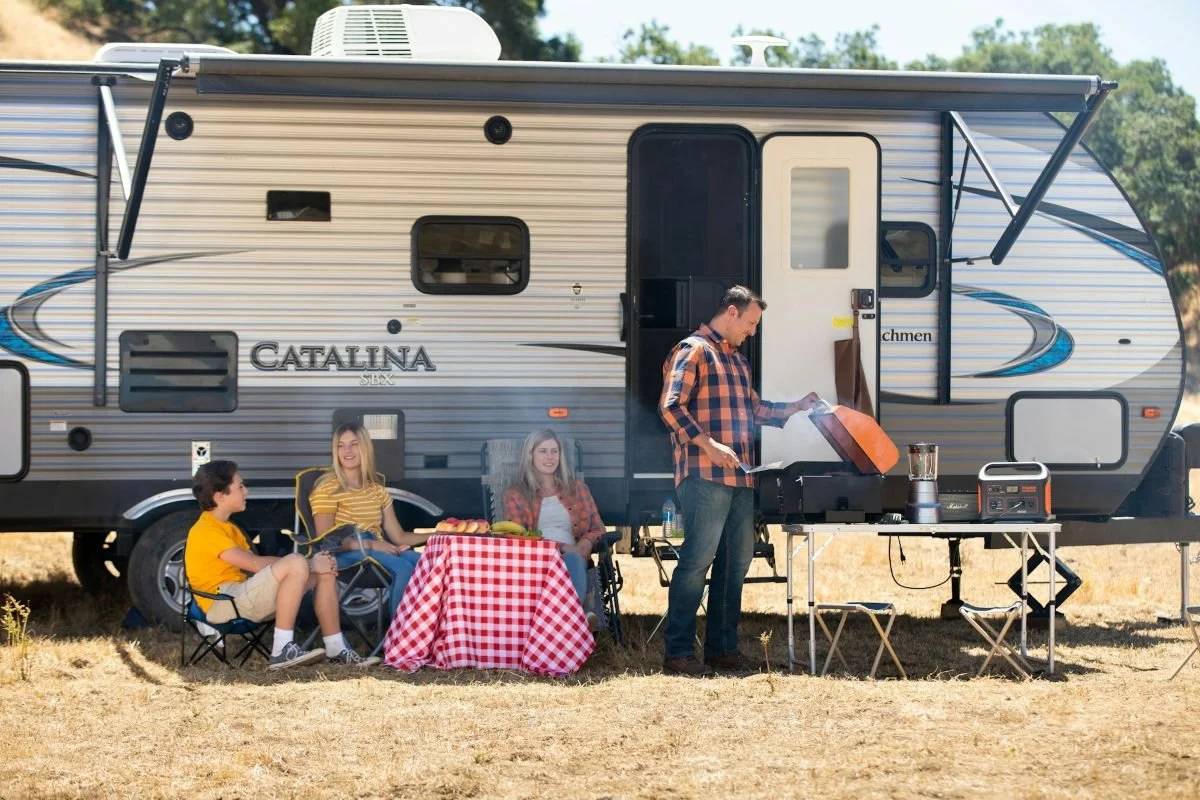

Plan a relaxing Central Texas RV getaway with tips on choosing the right RV resort, exploring the Texas Hill Country, discovering outdoor activities, and enjoying a stress-free road trip.