

Slow Travel on the Camino de Santiago: A Mindful Guide to the Routes of Santiago de Compostela
/
Slow Travel on the Camino de Santiago:
A Mindful Guide to the Routes of Santiago de Compostela
The Camino de Santiago is more than a way to reach Santiago de Compostela. For travelers interested in slow travel, it offers an opportunity to experience northern Spain and neighboring regions one walking stage at a time. Instead of rushing between major attractions, pilgrims and walkers move through villages, countryside, historic towns, and changing landscapes at a human pace.
The journey can take many forms. Some travelers walk for several weeks, while others choose a shorter section of one of the established routes. Either way, the Camino encourages you to pay attention to what happens between destinations: conversations with fellow walkers, meals in small towns, changing weather, local traditions, and the gradual transformation of the landscape.
The historic network known as the Routes of Santiago de Compostela reflects centuries of pilgrimage across Europe. Today, these routes continue to attract people for religious, cultural, recreational, and personal reasons.
What Makes the Camino a Slow Travel Experience?
Slow travel favors deeper experiences, longer stays, and meaningful contact with a destination. The Camino de Santiago naturally fits this philosophy because walking determines the rhythm of the journey.
Rather than moving from one major attraction to another by car or train, you spend hours crossing the landscape. A village that might otherwise be nothing more than a name on a map becomes a place where you stop for coffee. A rural church becomes a resting point. A small bakery or family-run restaurant can become part of your daily routine.
Walking also changes your perception of distance. On the Camino, the space between towns is not simply something to cross. Fields, vineyards, forests, stone walls, bridges, and country lanes become part of the experience.
There is no single correct way to walk the Camino. You might spend several weeks completing a longer route, or choose a shorter section based on your available vacation time and fitness level. The important distinction is that you are experiencing a destination gradually rather than trying to see as much as possible in the shortest amount of time.
A slow Camino itinerary often includes:
Walking manageable stages instead of maximizing daily mileage
Spending time in smaller towns and villages
Staying in locally operated accommodations when practical
Eating regional food instead of relying exclusively on familiar chains
Leaving time to explore after arriving at your destination
Learning basic Spanish or Portuguese phrases
Talking with other pilgrims and local residents
Taking occasional rest days
Paying attention to the landscape and historic sites along the route
The result feels less like checking destinations off a list and more like temporarily becoming part of the rhythm of the places you pass through.
Why Walk the Camino Slowly?
A slower Camino itinerary can reduce the pressure that comes with moving every day. You have more flexibility if you encounter rain, need an extra rest period, or discover a town that deserves more time.
Walking also provides substantial physical activity. The World Health Organization’s physical activity guidance recommends at least 150 minutes of moderate-intensity aerobic activity each week for adults. A multi-day Camino journey can easily involve considerably more walking, although your daily distance should reflect your fitness, experience, weather conditions, and the terrain of your chosen route.
The physical rhythm of walking can also shape the mental experience of the journey. After several hours on the trail, ordinary concerns can feel less immediate. Instead of constantly checking transportation schedules or navigating traffic, you focus on the next village, the weather, your surroundings, and your own pace.
That does not mean every day on the Camino will feel effortless. Long walking stages can produce sore feet, fatigue, blisters, and muscle discomfort. A slower approach gives you more opportunity to respond to those challenges before they become serious problems.
There can also be an economic dimension to slow travel. Staying overnight in smaller communities, eating at independent restaurants, purchasing groceries locally, and using family-run accommodations can spread visitor spending beyond major tourist centers.
The Camino's network of villages and towns makes this particularly relevant. Your spending might include breakfast at a neighborhood cafe, lunch at a small restaurant, groceries from a local shop, and an overnight stay in a privately operated guesthouse.
Slow travel does not require walking an entire Camino route. You could choose a section lasting several days and still experience the basic rhythm of pilgrimage walking.
Discovering the Routes of Santiago de Compostela on Foot
One of the defining characteristics of the Camino is the variety of landscapes and communities connected by the routes. Depending on the path you choose, you may encounter historic cities, rural villages, farmland, forests, vineyards, rivers, coastal landscapes, and centuries-old religious sites.
For travelers who want a relatively structured introduction, the Tui to Santiago pilgrimage route follows the Portuguese Way toward Santiago de Compostela. The route provides a practical framework for a walking vacation because stages connect established communities where travelers can find accommodation, food, and other services.
Some organized Camino itineraries can also include accommodation, meals, and luggage transfers. These services can be useful for travelers who want to experience long-distance walking without carrying all of their belongings every day.
The Tui-to-Santiago section is also connected to the broader cultural landscape represented by the Routes of Santiago de Compostela, which UNESCO recognizes for their historical and cultural significance.
When choosing a Camino route, however, don't look only at its total distance.
Consider:
Daily walking distance
Elevation gain and loss
Trail and road surfaces
Weather during your travel season
Availability of accommodation
Access to food and water
Transportation alternatives
Your own walking experience
How much time you want to spend exploring towns
A relatively short stage can feel difficult if it includes substantial elevation gain or uncomfortable surfaces. Conversely, a longer stage on an easier trail may feel manageable for an experienced walker.
For a first Camino experience, consider choosing conservative daily distances rather than trying to complete the route as quickly as possible. Your feet and legs need time to adapt, particularly during the first few days.
A rest day can also become one of the most enjoyable parts of the journey. Instead of treating it as lost time, use it to explore a historic town, visit a church or museum, enjoy a long meal, or simply recover.
Planning a Mindful Camino Itinerary
Start by considering how long you can comfortably walk in a normal day. If your current routine consists of occasional one-hour walks, don't assume you can immediately handle several consecutive days of six-hour walks.
Build your walking endurance gradually before departure. Your preparation should also include testing the shoes, socks, backpack, rain gear, and other equipment you plan to use on the Camino.
Your itinerary should account for more than mileage. Research where you can find food, water, restrooms, medical assistance, and accommodation along each stage.
Before leaving, consider these questions:
What is the most physically demanding stage?
Where are the longest stretches between towns?
Can you shorten a stage with local transportation?
Does your accommodation accept late arrivals?
Where can you buy food and water?
What are your options if you need a rest day?
Can you arrange luggage transportation?
What is the weather typically like during your travel season?
Download offline maps before setting out, particularly if you plan to walk less-developed sections. Even well-established routes can include areas where mobile coverage is inconsistent.
It's also wise to pack lightly. Even when a luggage-transfer service carries your main bag between accommodations, your daily backpack still needs enough equipment for the walking stage.
Carry essentials such as:
Water
Sun protection
A lightweight rain jacket
Snacks
A phone and portable charger
Basic blister-care supplies
Identification and necessary documents
Any personal medications
A small amount of emergency cash
Avoid filling your backpack with items you probably won't use. Every unnecessary kilogram becomes more noticeable after several hours of walking.
Most importantly, leave some unscheduled time in your day.
You might arrive in a village earlier than expected and discover a historic building you want to visit. A cafe owner might recommend a local dish. You could meet another pilgrim and spend an hour talking over coffee.
Those experiences are difficult to schedule, which is precisely why your itinerary should leave room for them.
Connecting With Local Culture Along the Camino
The Camino creates opportunities for cultural encounters that can easily disappear on a faster trip.
You may ask a local resident for directions, order breakfast in a small cafe, buy fruit from a market, or return to the same restaurant after discovering it during your first evening in town.
These interactions don't need to become elaborate cultural experiences. Their value often comes from their ordinary nature.
Learn a few useful phrases before your trip. Greetings, thank-you expressions, simple questions, and phrases for ordering food can make everyday interactions easier. If you are walking the Portuguese Way, learning some basic Portuguese can be particularly useful in Portugal, while Spanish becomes increasingly important as you continue through Spain.
Food provides another natural connection to the region.
Rather than treating meals simply as fuel between walking stages, use them as part of the experience. Try regional dishes, visit local markets, ask restaurant staff about specialties, and pay attention to seasonal ingredients.
After several hours on the trail, even a simple meal can become memorable.
Accommodation can offer another opportunity to experience local life. Depending on your budget and route, you may encounter pilgrim hostels, guesthouses, rural properties, small hotels, and family-run accommodations. Staying locally owned when practical can help keep more visitor spending within the communities along the route.
Cultural respect matters just as much as curiosity. The Camino passes through communities where people live and work year-round. Don't assume every historic building, religious ceremony, private home, or local celebration exists for visitors.
Follow posted rules and local customs. Ask permission before photographing people at close range, particularly during religious events or private moments.
And don't feel obligated to document everything for social media.
Put the phone away during a meal. Walk for an hour without taking photographs. Sit in a village square and watch the evening routine. Write down a few observations later instead of immediately turning every moment into content.
A note about the smell of bread coming from a bakery, rain on an old stone street, or bells ringing across a valley may preserve the experience better than dozens of rushed photographs.
Let the Journey Become the Destination
The historic Routes of Santiago de Compostela provide the framework, but every traveler experiences the route differently. You can approach the journey as a religious pilgrimage, a cultural adventure, a long-distance walking challenge, a personal retreat, or simply a way to explore Spain and Portugal at a slower pace.
You don't need to race toward Santiago de Compostela. Choose a manageable route, walk at a sustainable pace, stay curious about the communities along the way, and leave enough room for unexpected experiences.
By the time you reach Santiago, you may remember individual villages, meals, conversations, landscapes, and quiet mornings just as clearly as the final destination.

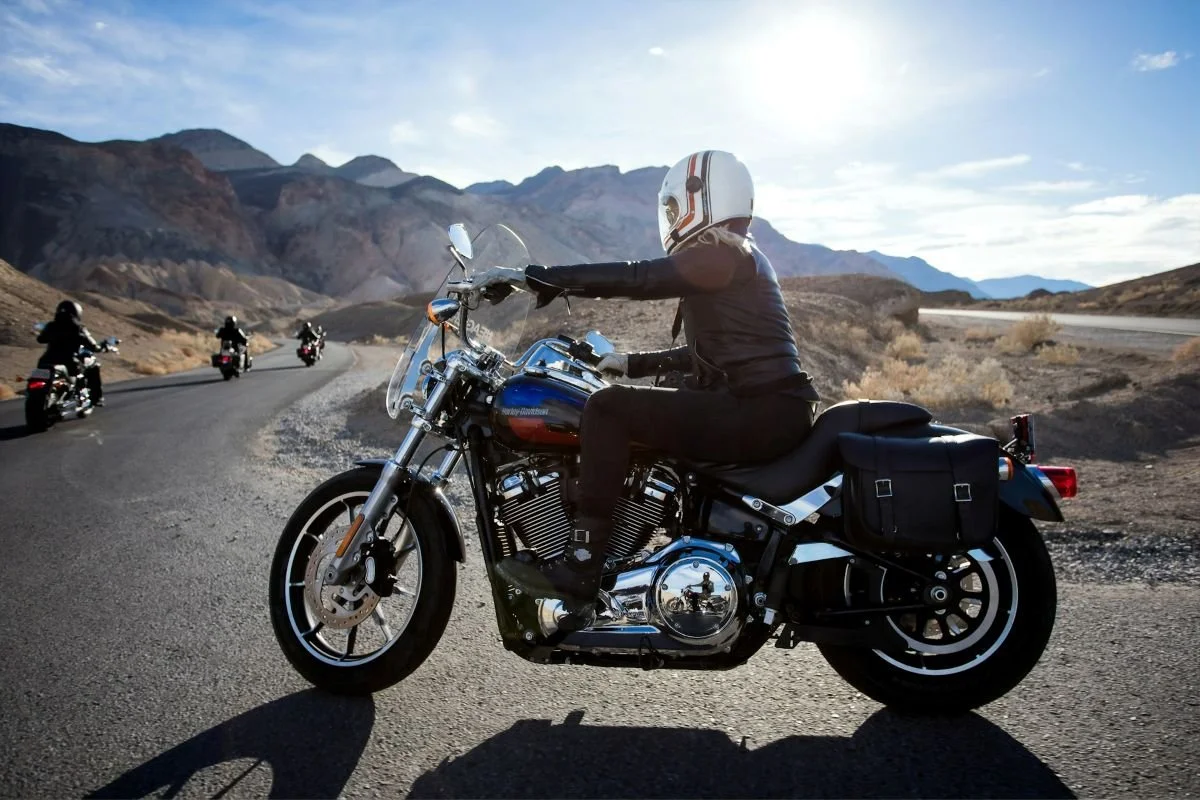

Learn how to prepare your motorbike for a Pacific Coast Highway road trip, from maintenance and packing to insurance, safety, weather, and route planning.