

From Travel Enthusiast to Pilot: How to Turn Your Passion for Flying Into Reality
/
From Travel Enthusiast to Pilot: How to Turn Your Passion for Flying Into Reality
If you love airports, window seats, and the moment a plane lifts off, you may have wondered what it would be like to sit in the front instead. Many pilots began exactly this way, as travelers who kept looking up. The good news is that flying is a skill anyone can learn step by step. You don’t need a perfect plan or any experience to begin. You just need curiosity and a willingness to learn.
It Starts With a Single Lesson
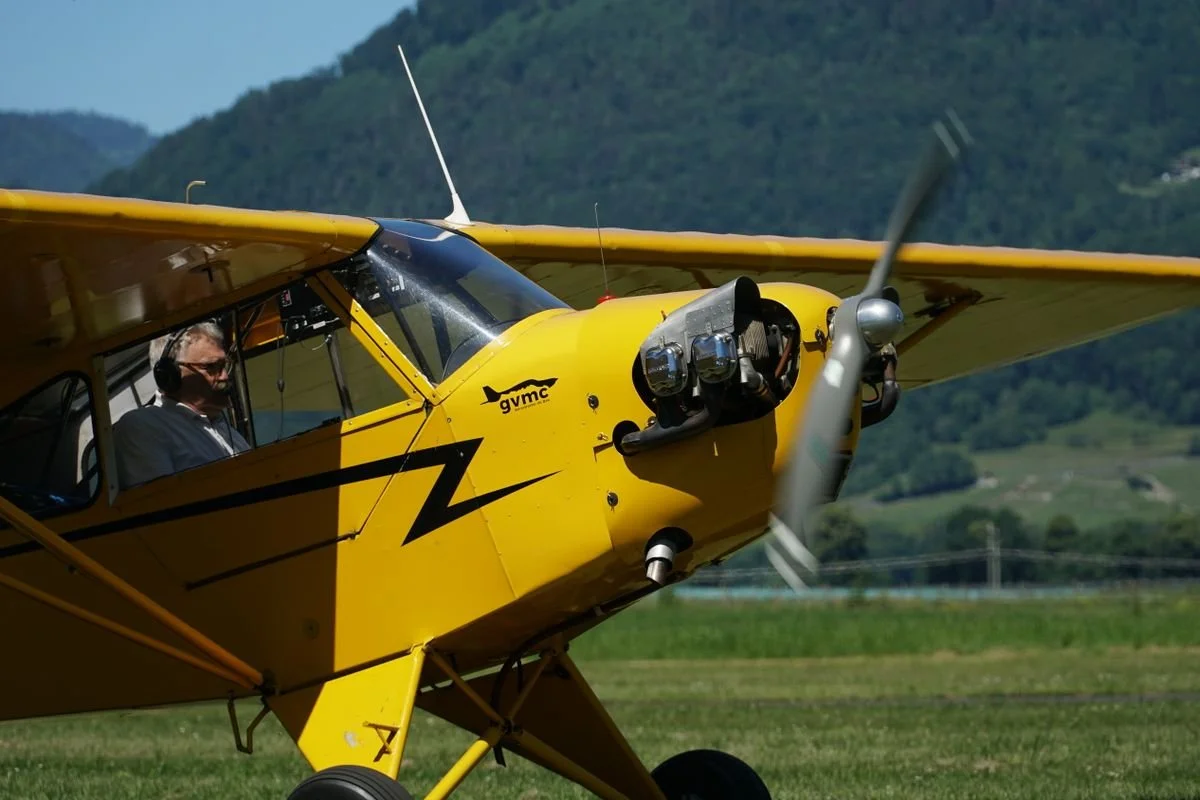
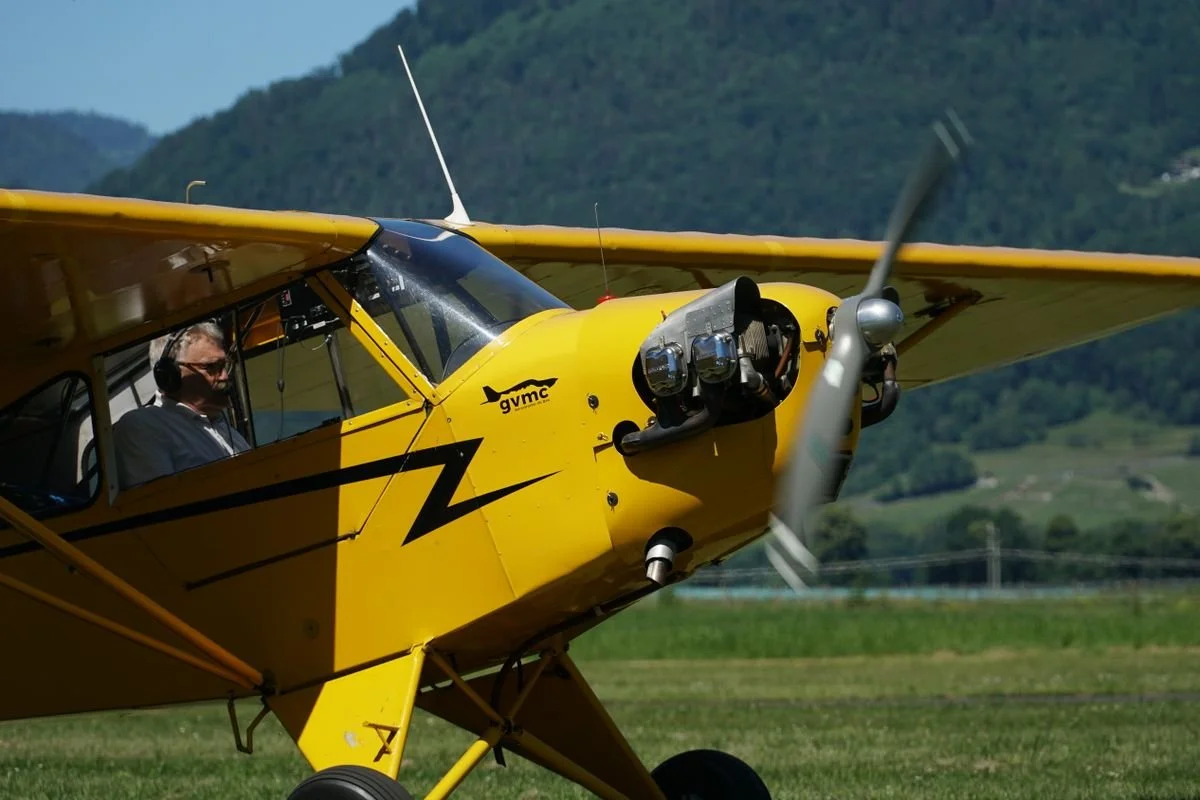
Most pilots remember where their journey began: a short introductory lesson called a discovery flight. You sit in a small training aircraft with an instructor beside you, get a feel for the controls, and see your surroundings from the air. There’s no pressure and no experience required.
It’s also a low-stakes way to answer a big question. Do you enjoy it? Some people leave with a new hobby. Others leave with a career goal. Either result is a good one.
What the Job Market Looks Like
If flying as a career is on your mind, the numbers are worth a look. According to the U.S. Bureau of Labor Statistics, there were about 155,400 airline and commercial pilot jobs in 2024, and employment is projected to grow 4% from 2024 to 2034, about as fast as average. The median annual wage was $226,600 for airline pilots, copilots, and flight engineers, and $122,670 for commercial pilots.
Keep in mind that these are national figures, and pay varies widely by employer, experience, and type of flying. Think of them as a general picture of the field rather than a promise for any one person.
The Training Path, Step by Step
Pilot training builds in stages, and each stage adds new skills and confidence. Learning with a school that offers the full range of ratings in one place helps, because you can move forward without changing instructors or aircraft.
A flight school like Penn Flight Academy in Quakertown, Pennsylvania, offers the full ladder, from your first lesson to advanced instructor ratings. The team has been training students for more than ten years, and its fleet includes late-model single-engine airplanes and a twin-engine Beech Duchess. The school has also shared plans to expand into a full degree program in professional aviation. Seeing how a local school structures its training can help you picture your own path.
The Core Ratings
● Private Pilot License: Your first major milestone. It lets you fly for recreation or personal travel.
● Instrument Rating: Teaches you to fly using cockpit instruments, which builds precision and weather awareness.
● Commercial Pilot Rating: Opens the door to flying professionally.
● Multi-Engine Add-On: Trains you to fly aircraft with more than one engine, a common step toward airline careers.
Instructor and Advanced Ratings
● Certificated Flight Instructor (CFI) and CFI-Instrument: Let you teach others, and many pilots build flying hours this way.
● Multi-Engine Instructor: Extends your teaching privileges to twin-engine aircraft.
● Airline Transport Pilot (ATP): The highest level of pilot certification, needed for many airline positions.
Not Everyone Wants an Airline Career
Not every pilot dreams of a cockpit with hundreds of passengers behind them. Many people train simply to fly themselves. General aviation pilots fly for fun, take weekend trips, or travel for business on their own schedule. Training usually begins in a small single-engine plane and covers aircraft control, navigation, weather, and sound decision-making.
You can also stop at any rating that fits your goals. A private pilot license is a complete and rewarding destination on its own.
What to Look for in a Flight School
Choosing where to train matters as much as deciding to train. A few questions can help you compare your options:
● Are the instructors experienced, and do they enjoy teaching beginners?
● Is the aircraft well maintained and equipped with modern avionics?
● Can you continue through multiple ratings in the same place?
● Does the schedule fit your work and family life?
● Do current and former students speak positively about their experience?
Visiting in person, meeting the instructors, and asking plenty of questions will tell you more than any brochure.
Conclusion
Turning a love of travel into a flying journey doesn’t happen overnight, but it doesn’t require a leap of faith either. It begins with one lesson, grows through steady practice, and branches into whichever direction suits you, whether that’s a professional career or flying for the joy of it. Take your time, ask questions, and let the experience guide your next step. The sky has room for many kinds of pilots, and you may be closer than you think.
















Most pilots remember where their journey began: a short introductory lesson called a discovery flight.