

How to Plan a Solo Trip to Northern Italy
/
How to Plan a Solo Trip to Northern Italy With a Small-Group Tour in the Middle
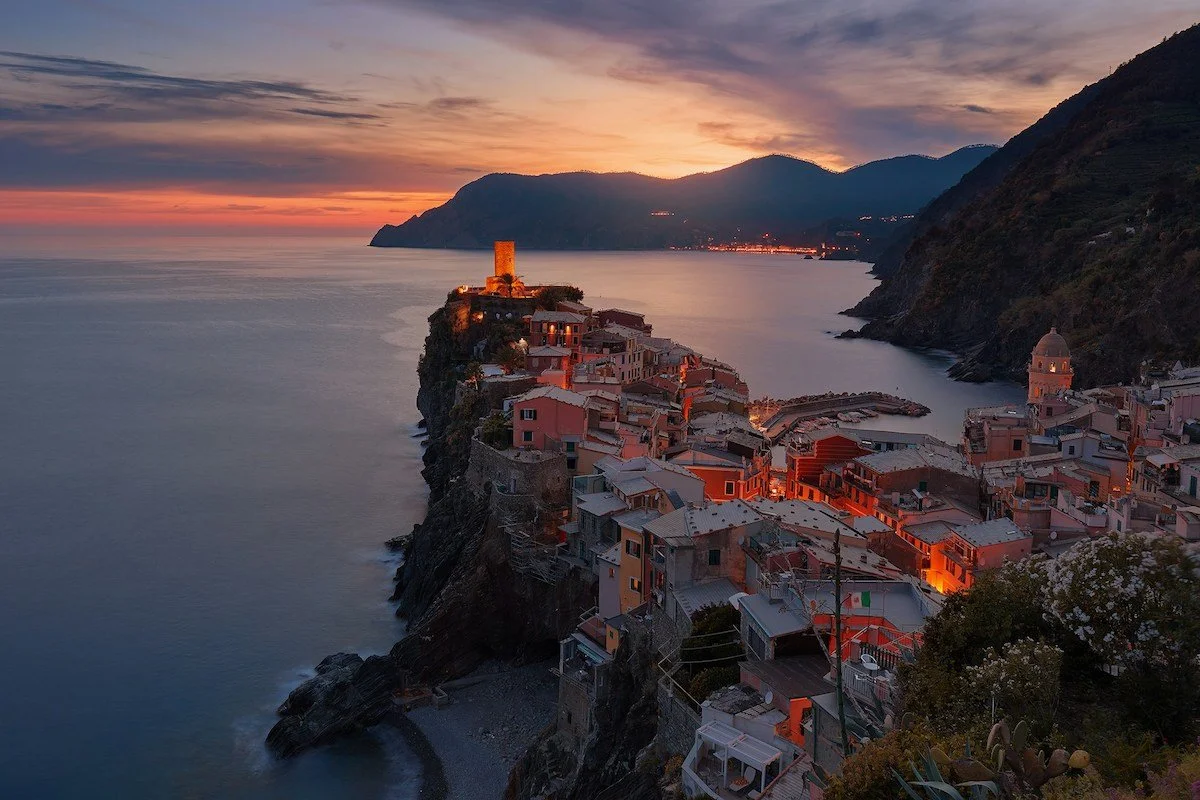
Northern Italy offers an enticing combination of historic cities, alpine scenery, lakeside villages, and world-renowned regional cuisine. However, exploring the region alone can involve plenty of decisions, from navigating train connections between Milan and Venice to finding authentic restaurants away from crowded tourist streets. A hybrid itinerary provides a practical solution: spend several days exploring independently, then join a small-group experience for local insights, shared activities, and carefully organized excursions.
This approach suits travelers who want the freedom to discover Italy at their own pace without managing every aspect of the journey themselves. You might begin with independent sightseeing in Milan, join a guided culinary tour around Lake Como, and finish with a few peaceful days exploring Verona or Venice. By combining independent exploration with organized experiences, you can enjoy both personal discovery and the companionship that solo travel benefits can bring.
Northern Italy is particularly well suited to this travel style because its major cities connect through an extensive rail network, while smaller lakeside communities and mountain destinations offer opportunities for slower, more immersive adventures.
The Allure of Exploring Northern Italy Alone
Independent travel allows you to experience Northern Italy according to your interests rather than a predetermined group schedule. If you want to spend an entire morning admiring Renaissance paintings in Milan, wander through Verona's historic streets, or linger over an espresso in a neighborhood cafe, you can do so without negotiating plans with anyone else.
Milan makes a convenient starting point for a solo adventure. Spend your first day exploring the magnificent Duomo, browsing the Galleria Vittorio Emanuele II, and discovering the city's quieter residential neighborhoods. If fashion, design, and contemporary Italian culture interest you, allow extra time for independent exploration beyond the main attractions.
From Milan, you can travel to Lake Como for a completely different atmosphere. Lakeside promenades, elegant villas, ferry rides, and mountain panoramas create an appealing contrast with the energy of the city. Choose one town as your base rather than attempting to visit every destination in a single day. Varenna, for example, offers a scenic waterfront and convenient ferry connections, while Como provides access to restaurants, shops, and transportation links.
Solo travel also creates opportunities for spontaneous discoveries. You might stumble upon a family-run trattoria, find a small artisan shop, or decide to spend an extra hour watching boats cross the lake. These unscripted moments often become the most memorable parts of a journey.
For first-time independent travelers, this guide to preparing for your first time as a solo traveller offers a useful starting point.
Keep the initial stage manageable. Two or three nights in Milan followed by a couple of nights around Lake Como gives you enough time to settle in without overloading your schedule. Book accommodation near a train station or central transportation hub, save your lodging address offline, and identify a few attractions you genuinely want to visit.
Most importantly, leave room for flexibility. Northern Italy rewards travelers who slow down, whether that means enjoying an aperitivo in a historic piazza or taking an unplanned walk along the waterfront. At the same time, prioritize travel safety when arranging transportation, selecting accommodation, and exploring unfamiliar neighborhoods.
Navigating Northern Italy Independently
Northern Italy is relatively straightforward to explore independently, but transportation planning becomes more important when your itinerary includes several cities, lakeside villages, and rural destinations.
Begin by understanding the region's main transportation options. High-speed trains connect Milan, Verona, Venice, and other major cities, making rail travel an efficient choice for longer journeys. Regional trains serve smaller destinations, although they may operate less frequently. Lake Como relies heavily on ferries for travel between popular lakeside communities, and mountain villages may require buses or private transfers.
Before departure, review official international travel advisories for current information about local conditions, transportation disruptions, and other travel considerations.
Next, develop a realistic arrival plan. If you land at Milan Malpensa Airport, determine whether the airport train, a bus, or another transfer best suits your accommodation. Check your arrival time against the transportation schedule, especially if you are traveling late in the evening.
Download offline maps and save important addresses in Italian. This small preparation can make it easier to find your hotel, locate a train platform, or communicate with a taxi driver when mobile service is unreliable.
It also helps to understand a few practical details before boarding trains. Confirm the departure station, train number, destination, and platform information rather than relying solely on the final city listed on a ticket. Some routes have multiple stops, and a city may have more than one railway station. Check whether your ticket requires validation, particularly for paper tickets on regional services, and follow the instructions provided by the operator.
Share your general itinerary with someone at home, including accommodation details and major travel dates. Keep digital copies of your passport, reservations, and emergency contacts in a secure location.
Finally, pay attention to decision fatigue. Planning every restaurant, ferry, museum, and train connection can become exhausting. Reserve one dependable activity for each day, then decide how to spend the remaining hours once you arrive.
If you find yourself spending more time coordinating logistics than enjoying Italy, consider adding a guided experience to the middle of your itinerary.
Finding Your Travel Tribe in Northern Italy
A small-group experience can add depth to an independent Northern Italy itinerary without requiring you to surrender control of the entire vacation. Instead of booking a fully organized trip from beginning to end, choose a few days centered on a specific interest, such as Italian cuisine, wine culture, architecture, fashion, or regional traditions.
Lake Como is an appealing setting for this kind of experience. A guided excursion might combine a ferry journey, a visit to a historic villa, a leisurely lunch, and a walk through a lakeside village. In the countryside, a food-focused experience could introduce you to local producers, traditional recipes, or the agricultural heritage of Lombardy.
Verona and the surrounding Veneto region also offer opportunities for culinary exploration, historic walking tours, and visits to nearby wine-producing areas. Meanwhile, travelers interested in art and architecture may prefer a guided introduction to Venice's lesser-known districts or Milan's cultural landmarks.
Choose a group that shares your interests rather than booking an excursion simply because it is popular. Groups of approximately eight to twelve participants often create a more conversational atmosphere than large coach tours, although the ideal size depends on the activity and operator.
Consider who the experience was designed for. Curated, bespoke tours for women to Northern Italy may appeal to women who want a more personalized itinerary, thoughtful hospitality, and opportunities to connect with like-minded travelers. A hosted experience can become the social centerpiece of a longer trip, surrounded by independent days in Italy's cities and countryside.
Before booking, ask several practical questions:
How much free time is included? Make sure the itinerary leaves room for personal interests rather than filling every hour with scheduled activities.
What is included in the price? Clarify whether accommodation, meals, entrance fees, transportation, and tastings are covered.
How many people will participate? Group size can significantly affect the atmosphere and level of personal attention.
Who organizes local experiences? A knowledgeable local guide or host can provide valuable cultural context.
What transportation is provided? This is especially important for rural excursions, vineyard visits, and destinations that are difficult to reach by train.
Communication before departure matters, too. A reliable operator should explain what to bring, where the group will meet, and which expenses remain your responsibility. A pre-trip conversation can also help you feel more comfortable before meeting fellow travelers.
You may arrive in Northern Italy on your own, but joining a group around a shared interest can make the experience feel more connected and sociable.
Luxury and Local Immersion Around Italy's Lakes and Cities
Luxury travel in Northern Italy does not have to mean spending every night in an expensive hotel. Instead, consider where added comfort, local expertise, and convenient arrangements will make the greatest difference.
In Milan, staying centrally can reduce transportation time and make it easier to explore museums, shopping districts, and restaurants on foot. Around Lake Como, a lakeside hotel or guesthouse near a ferry terminal can simplify day trips and provide beautiful scenery without requiring a rental car.
For travelers interested in the Dolomites, accommodation choices can influence the entire experience. A well-located mountain village provides access to hiking trails, cable cars, and scenic viewpoints, while a knowledgeable local guide can help you select routes appropriate for your fitness level and the weather.
Look beyond descriptions such as "exclusive" and "authentic" when comparing experiences. An itinerary should explain what makes an activity distinctive. A cooking class that begins with a market visit and introduces regional ingredients, for example, provides a richer cultural experience than a meal without context. Similarly, visiting a local artisan's workshop can reveal how traditional techniques continue to influence contemporary Italian design.
Food offers another rewarding way to understand the region. Lombardy is known for dishes such as risotto alla Milanese, while Veneto has its own traditions of seafood, rice dishes, and regional wines. Rather than searching for one restaurant that serves everything, explore the specialties associated with each destination.
In the countryside, consider experiences that connect visitors with local producers. Depending on the area and season, these might include cheese-making demonstrations, winery visits, olive oil tastings, or meals featuring seasonal ingredients. Book wine-related activities with transportation in mind, particularly if you plan to sample several wines.
Responsible travel also means respecting the communities that make these experiences possible. The UN Tourism guidance on responsible travel encourages visitors to respect local customs, support local economies, and protect cultural heritage.
In practice, this could mean dressing appropriately when visiting churches, purchasing handmade goods directly from artisans, and choosing locally owned restaurants. At popular destinations such as Venice and Lake Como, consider visiting outside peak hours and exploring less crowded neighborhoods when possible.
Finally, balance immersive activities with quiet time. After a full day of guided sightseeing, a relaxed dinner or an evening stroll may be more rewarding than another scheduled excursion. Comfort and cultural discovery work best when neither competes for every available hour.
Seamless Logistics for a Multi-Stop Italian Journey
A successful hybrid itinerary requires enough organization to prevent avoidable complications without turning your vacation into a rigid timetable.
Start by grouping destinations geographically. One practical route is to spend a few days in Milan, continue to Lake Como, and then travel toward Verona and Venice. This progression combines urban culture, lakeside scenery, and historic cities while limiting unnecessary backtracking.
If you want to include the Dolomites, consider whether they fit your available time. Mountain destinations may require additional transfers, and a short visit can involve more transportation than expected. For a weeklong trip, focusing on Milan, Lake Como, and Verona may provide a more relaxed experience than trying to include every major destination in the north.
Before leaving home, place reservations in one calendar and record confirmation numbers, addresses, and departure times. Keep an offline copy on your phone and a backup in another secure location.
Avoid scheduling tight connections between trains, ferries, and flights. Allow extra time when traveling from a lakeside town to an airport, particularly if your journey involves several transportation changes. During busy periods, reserve seats on popular rail routes when appropriate and check official schedules before departure.
Review travel insurance basics before purchasing a policy. Coverage varies, so check the terms relating to medical expenses, travel delays, cancellations, and pre-existing conditions. Make sure you understand the exclusions, claim requirements, and assistance procedures before your trip.
A small-group tour can simplify the most complicated part of your itinerary by coordinating accommodation, transfers, and selected activities. This allows you to focus your planning on the independent days surrounding the organized experience.
For example, you could spend two nights in Milan, join a three-day hosted experience around Lake Como, and then continue independently to Verona. Alternatively, explore Milan and Verona alone before joining a guided experience in the countryside.
Where possible, arrange your independent stay in the same city where the group experience begins or ends. This can reduce unnecessary transfers and give you time to settle in before meeting the group.
Remember that Northern Italy's seasons can influence both transportation and activities. Summer brings longer daylight hours but also larger crowds around popular lakes and cities. Spring and autumn may offer pleasant conditions for sightseeing, although mountain weather can be unpredictable. Winter can be appealing for festive city breaks and alpine activities, but certain mountain routes and seasonal services may operate differently.
Making Room for Pure Joy
A rewarding Northern Italy itinerary should include moments that serve no purpose beyond making you happy. Give yourself permission to revisit a bakery, linger over a cappuccino in a sunny piazza, or skip an optional attraction because you would rather spend another hour beside the lake.
These small decisions are part of what makes independent travel special. You might discover a quiet street in Verona, find a favorite gelateria in Milan, or watch the light change across Lake Como without checking your phone every few minutes.
Shared experiences can make these moments even more memorable. A guided excursion may introduce you to someone who shares your interest in Italian architecture, regional food, or outdoor adventures. Conversations over dinner can reveal places you had not considered visiting, while a group walk may offer a fresh perspective on a familiar landmark.
At the same time, resist the temptation to fill every evening with social plans. Traveling with a group does not mean you need to participate in every optional dinner or excursion. The freedom to step away and recharge is one of the advantages of combining independent days with organized activities.
Before returning home, reserve at least half a day for an unhurried final experience. You might revisit a favorite neighborhood, organize your photographs, purchase a few thoughtful souvenirs, or enjoy one last Italian meal.
If your flight departs from Milan, allow enough time to return from your final destination and reach the airport without rushing. An additional overnight stay near your departure airport may be worthwhile if the journey involves several connections.
The ideal balance between solo exploration and group travel depends on your personality, interests, budget, and available time. For many travelers, a few independent days combined with a carefully selected small-group experience provides the right mix of freedom, companionship, and local insight.
Northern Italy makes this approach especially rewarding. You can explore Milan's cultural landmarks independently, discover the quieter corners of Lake Como with a knowledgeable host, and finish your journey wandering through historic streets at your own pace.
Ultimately, the goal is not to see as many destinations as possible. It is to experience each place with enough time and flexibility to appreciate what makes it distinctive. With a thoughtful itinerary, you can return home with personal discoveries, memorable meals, a deeper understanding of Italian culture, and perhaps a few new friends already discussing their next adventure.


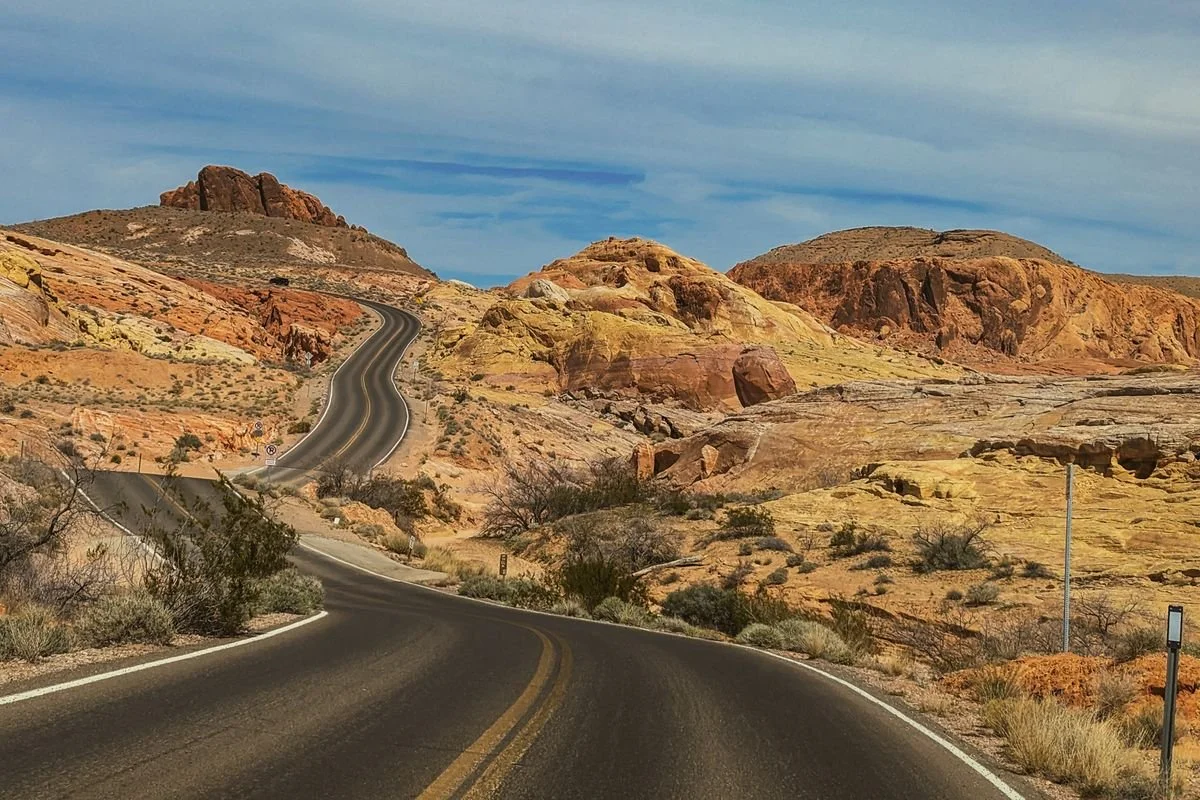

Discover the best things to do in Nevada, from Las Vegas helicopter tours and Valley of Fire hikes to scenic road trips, historic towns, and dark-sky adventures.