

Where High Achievers Seek Focus Outside the Boardroom
/
Where High Achievers Seek Focus Outside the Boardroom
High achievers often recover their sharpest focus through demanding activities that pull attention away from meetings, screens and constant decision-making. Passive rest has its place, but an absorbing outdoor challenge can create a cleaner mental break. The best options combine physical engagement, clear feedback and enough structure to keep everyday concerns from intruding.
That combination explains why precision driving, coordinated group escapes and skill-based recreation appeal to people accustomed to operating at a high level. They offer intensity with purpose and leave little room for checking email.
The Search for Active Decompression
Executive work creates a particular kind of fatigue. You may spend an entire day switching between financial forecasts, hiring decisions and sensitive conversations without moving far from a desk. A quiet evening can help, yet it may not fully interrupt the thought patterns built up during working hours.
Active decompression gives your attention a specific task. Hiking a steep route, learning a technical outdoor skill or taking part in a demanding driving experience requires real-time observation. Your mind shifts from reviewing yesterday's decisions to processing distance, timing and changing conditions.
Some unusual high-achiever hobbies work well because they create immediate feedback. The result of each choice becomes clear within seconds, which feels very different from projects that take months to deliver.
Choose an activity that requires enough concentration to hold your attention without pushing you beyond your current ability. Set a defined start and finish, silence work notifications, and allow at least 30 minutes afterward before returning to messages. That buffer helps preserve the mental reset instead of ending it abruptly.
Finding Flow Through High-Speed Precision
Flow tends to emerge when skill and challenge meet at the right level. A task that's too easy leaves space for distraction, while one that's far beyond your ability creates tension. Precision driving can occupy the useful middle ground because road position, speed management and visual awareness demand continuous attention.
For sports and supercar owners considering driving tours, a hosted format can remove much of the administrative work involved in finding scenic, challenging and remote roads across the UK or Europe. Tested routes, planned stops and group coordination let participants concentrate on the drive while still enjoying suitable accommodations and social time.
Preparation matters. Review the day's route before departure, understand the expected pace and schedule food and water stops before fatigue appears. You should also treat public roads as shared spaces, maintaining safe distances and adjusting promptly for weather, visibility and local conditions.
The quality of attention matters more than raw pace. Smooth inputs, patient observation and consistent decisions provide the satisfying sense of precision that makes the experience mentally absorbing.
Why Guided Escapes Beat Solitary Outings
Planning your own escape can become another project. Route research, reservations, timing and contingency plans all consume the same mental resources you're trying to restore. A well-run guided trip transfers much of that burden to someone else while preserving the independence and challenge that make an active break rewarding.
Guides also establish rhythm. They can coordinate departure times, rest points and evening plans, giving the group enough structure to stay together without making every hour feel programmed. This is especially useful when participants have different experience levels or are traveling through unfamiliar regions.
Shared purpose can deepen the reset. Large gatherings such as the annual SEEK Conference show how strongly people respond to organized experiences built around a common interest. Smaller adventure groups can create a similar sense of connection on a more personal scale.
Before booking, ask who handles route changes, what support is available and how the organizer communicates during the day. Clear answers reveal whether the experience will reduce mental load or simply replace office logistics with travel logistics.
Joining Coordinated Driving Tours for Real Thrills
A coordinated tour turns a collection of good roads into a complete experience. The organizer links driving stages with viewpoints, meals and overnight stops so that each day has a natural rhythm. Participants still need to arrive prepared, but they don't have to spend the evening building the next day's itinerary.
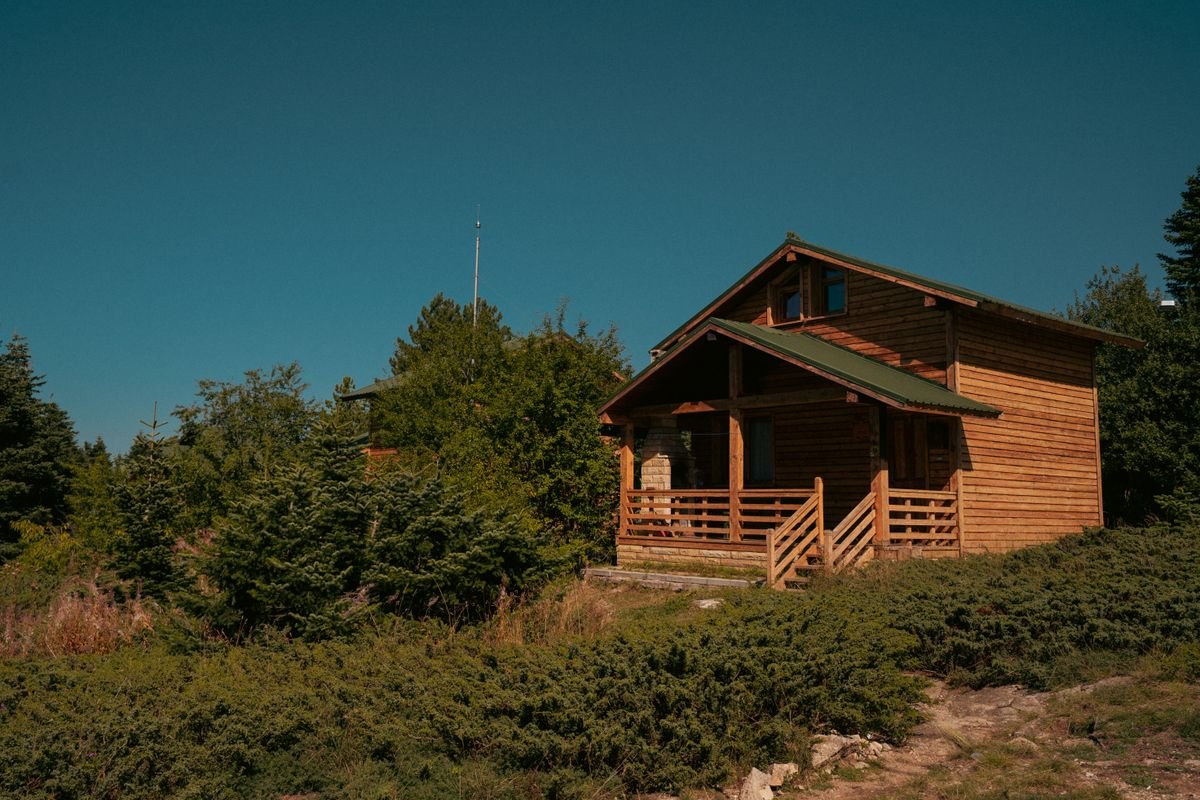
Group fit deserves careful thought. Ask about typical daily distances, departure procedures and how strictly participants are expected to remain together. A route covering 200 miles of technical roads feels very different from the same distance on broad highways. Accommodation style also matters when recovery is part of the goal. Luxury basecamps can provide quiet rooms, dependable dining and comfortable shared spaces after a demanding day outdoors.
Build some margin around the trip. Avoid scheduling a late arrival followed by an early departure, and don't place a critical meeting immediately after returning home. One open evening before the first stage and a lighter calendar on your return can keep the experience restorative.
Most of all, respect the agreed group format. Predictable communication and calm decision-making help everyone enjoy the route without unnecessary pressure.
Sustaining Mental Agility Back at Work
The value of a focused escape becomes clearer after you return. An absorbing activity can remind you what sustained attention feels like without constant alerts and overlapping priorities. The challenge is carrying a portion of that clarity into an ordinary workweek.
Start by identifying what held your focus during the trip. It may have been a single clear objective, immediate feedback or a fixed period without digital interruptions. Recreate those conditions in small blocks. For example, reserve 45 minutes for one demanding task, close communication apps and decide in advance what “finished” will mean.
Physical cues can also help. A short walk before strategic work creates a boundary between routine administration and deeper thinking. During long decision sessions, schedule breaks before concentration collapses. Five minutes away from the screen every hour is more useful than waiting until fatigue has already affected judgment.
Keep the next active escape far enough away to feel special but close enough to anticipate. A date on the calendar can provide a concrete boundary for intense work periods. When departure day comes, leave the laptop closed and give the road your full attention.















High achievers often recover their sharpest focus through demanding activities that pull attention away from meetings, screens and constant decision-making.