

What Is the Best Boat Storage Option for Travelers Who Spend Months Away?
/
What Is the Best Boat Storage Option for Travelers Who Spend Months Away?
Picture this: you’re standing in an airport at dawn, passport in hand, ready to spend the next four months chasing a long-planned expedition, a work assignment overseas or a slow trip across a few continents. Your mind is full of itineraries and packing lists. But somewhere in the back of your head, a small voice asks about the boat sitting in the driveway or at the marina. Will it be okay while you’re gone?
For anyone who loves adventure and owns a boat, that question deserves a real answer before you leave. Months away is a very different situation from a quick weekend off the water, and the way you store your boat can decide whether you come home to a ready-to-launch vessel or an expensive surprise. Here’s how to think it through.
Why Long Absences Change the Equation
When you’re home, a boat gets noticed. You spot the drip, hear the odd noise, brush off the leaves. When you’re gone for months, nobody is doing that, so small problems have time to grow quietly. Moisture settles into corners, temperatures swing, and critters look for a warm place to move in.
According to the BoatUS Boater’s Guide to Winterizing, fresh water expands by about 9% when it freezes, enough to crack an engine block or split hoses. Their analysis of ten years of freeze claims found that more than three-quarters involved cracked engine blocks or exhaust manifolds caused by water left in the cooling system. The takeaway isn’t that something terrible will happen, just that preparation matters more the longer you’re away.
Your Main Options at a Glance
Most boaters who store their craft for an extended stretch end up choosing among a few approaches. Each has trade-offs, and the right one depends on your boat, your budget and your climate.
Common Storage Choices
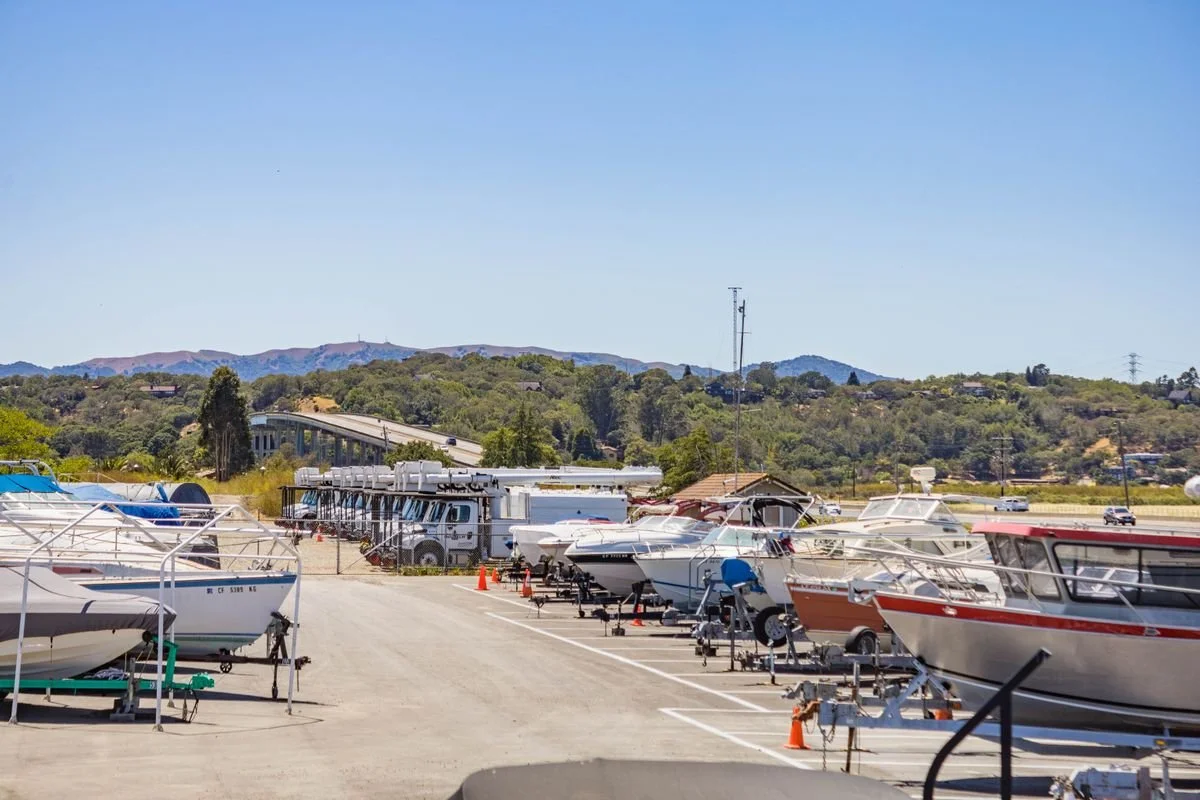
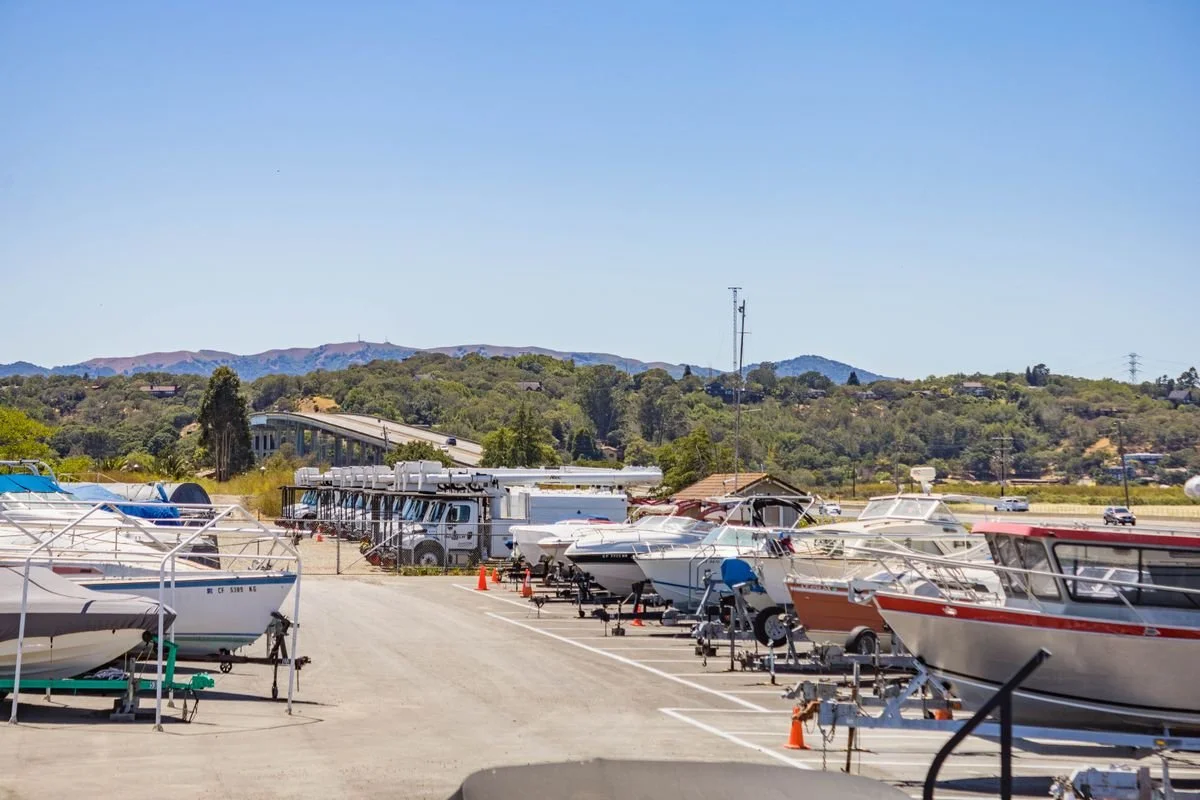
● Outdoor storage: Usually the most affordable, but the boat stays exposed to sun, wind, rain and snow unless it’s covered.
● Shrink-wrapped storage: A tight plastic cover that seals the boat against weather, often paired with outdoor or indoor space.
● Indoor climate-controlled storage: A building with regulated conditions, security and a roof over everything.
Shrink Wrapping: Affordable Protection With a Few Rules
Shrink wrap is popular for good reasons. It’s tailored to your boat’s shape, keeps rain, snow and debris out, and generally costs less than indoor space. For a boat that will sit for months, that seal can save you a lot of cleanup in spring.
The catch is airflow. BoatUS notes that while shrink wrap is very effective at keeping precipitation out, it can also trap moisture inside and create mildew problems if vents aren’t placed along the full length of the cover. It also warns against wrapping the boat yourself, since a moment of inattention can start a fire. In short, wrapping works well when it’s done by a professional and vented properly.
Indoor Climate-Controlled Storage: Maximum Shelter, Higher Cost
Indoor storage takes weather out of the picture almost entirely. Your boat sits out of the sun, snow and wind, usually in a secured building with limited access. For a traveler who can’t check in for months, that peace of mind is valuable.
There are trade-offs. Indoor space often costs more and can be limited, especially for larger boats, so it pays to reserve early. BoatUS also notes that for most boat owners indoor storage simply isn’t available or affordable, and that an ideal facility would have a backup generator in case the power goes out. It also still expects your boat to be properly winterized, because a building doesn’t replace the basics.
Shrink Wrapping vs Indoor Storage: How to Decide
Comparing shrink wrapping vs indoor storage comes down to a few practical questions about your situation rather than a universal winner. Think of it as matching the option to your boat, your trip and your wallet instead of chasing a single right answer.
Questions That Help You Choose
● How long will you be away? The longer the trip, the more valuable protection and security become.
● What’s your climate like? Harsh winters, intense sun or heavy humidity each favor different setups.
● How big and valuable is the boat? Larger or more expensive vessels may justify the extra cost of indoor space.
● What’s your budget? Shrink wrap can offer strong protection at a lower price, while indoor storage costs more but adds security.
● Will anyone check on it? If nobody can visit, a more protective option can reduce worry.
Don’t Skip Winterizing, Whatever You Choose
No storage option replaces proper preparation. Before you leave, the boat needs its engine and plumbing systems handled correctly, fuel stabilized, batteries cared for and water drained or replaced with the right antifreeze. A boat stored indoors but not winterized can still end up with damage, and a well-wrapped boat with water left in the engine is still at risk.
If you rely on a marina or service provider, get the details in writing. BoatUS points out that “winterizing” doesn’t mean the same thing to everyone, and that boaters sometimes assume a yard will handle tasks it never agreed to do. A clear list of what’s included saves misunderstandings later.
Where a Local Marine Team Can Help
If you’d rather not juggle all of this alone, a local marine service can make it simpler. A business like Pharo Marine in Waunakee, Wisconsin, offers indoor climate-controlled storage, outdoor storage, shrink wrapping and winterizing in one place, which can make planning easier before a long trip.
Whichever provider you choose, ask what’s included, how they handle access, and what happens if something comes up while you’re away.
Conclusion
There’s no single storage answer that suits every traveler, and that’s okay. Start with how long you’ll be gone, how your boat is built, and what your climate throws at it. Then weigh the affordability and flexibility of shrink wrap against the extra shelter and security of indoor space, and don’t forget that winterizing matters in either case.
A little planning before you leave can mean coming home to a boat that’s ready for the water instead of a list of repairs, which lets you enjoy your trip knowing your boat is taken care of.














Months away is a very different situation from a quick weekend off the water, and the way you store your boat can decide whether you come home to a ready-to-launch vessel or an expensive surprise.