

How to Plan an Expedition That Balances Thrills and Rest
/
How to Plan an Expedition That Balances Thrills and Rest
A rewarding expedition pairs demanding experiences with enough recovery to keep your energy steady from the first day to the last. That balance requires more than adding a free afternoon to a packed itinerary.
You need to understand when you perform best, select accommodations that support recovery and work with local operators who treat timing, safety and the environment seriously.
Define Your Daily Energy Rhythms
Start by identifying the hours when you naturally feel alert and the periods when your concentration drops. Your circadian rhythm influences sleep, appetite and mental performance, which can affect everything from an early climb to an afternoon paddle.
Schedule the most demanding activity during your strongest window when possible. If you function well before lunch, plan a 7 a.m. departure and reserve the afternoon for a relaxed meal or swim. Night owls may need a slower first morning, especially after crossing time zones. Avoid filling every available hour before the trip begins. A two-hour buffer between returning to your accommodation and dinner gives you time to shower, hydrate and reset without watching the clock.
Anchor Your Basecamp Wisely
Choose a basecamp that reduces travel time while giving you a comfortable place to recover. Check the distance to meeting points, meal options and the experiences on your itinerary. A beautiful property loses some appeal if every outing requires a 90-minute transfer each way.
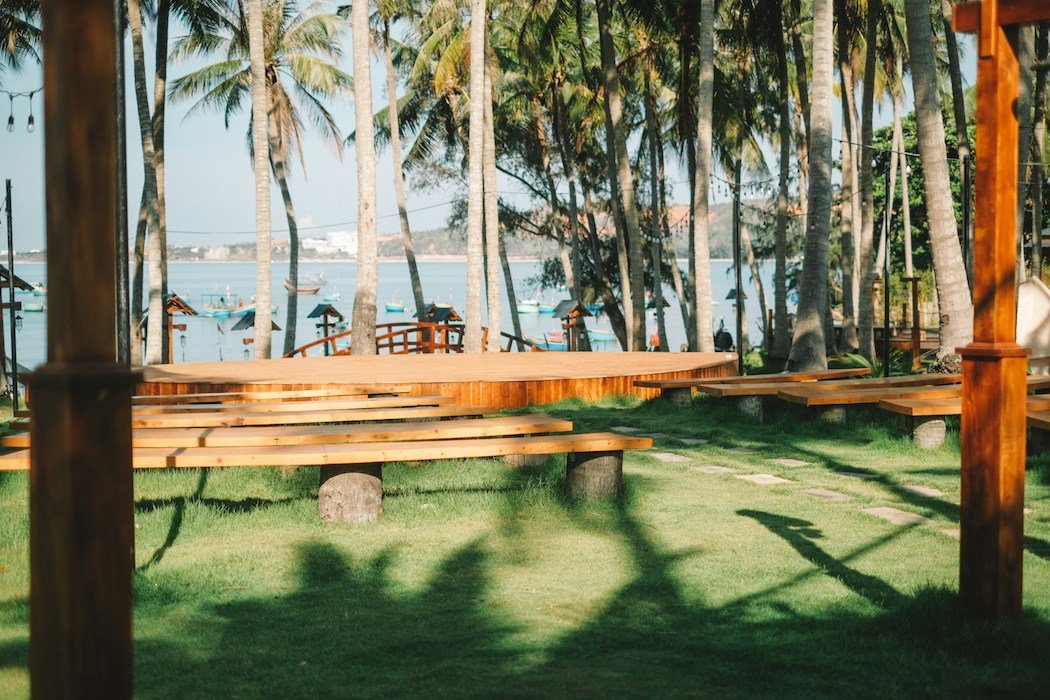
Comfort also has practical value after a strenuous day. Quiet rooms, quality meals and easy access to restorative activities can help you maintain momentum across a week-long trip. This guide to why high-octane trips demand luxury basecamps explains how accommodations shape the wider experience. For a coastal expedition in Mexico, a Tulum Boutique Resort in a protected setting can provide beachfront access, ocean views and on-site dining between planned outings. Confirm transfer times before booking so the location works with your actual schedule.
Vet Local Expedition Outfits
Research each operator as carefully as you research your hotel. Ask how long the company has worked in the region, how guides are trained and what happens if weather forces a change. Reliable outfits should provide clear answers about group size, required fitness and included equipment before taking payment.
Environmental practices matter too. Operators that follow Leave No Trace principles should explain how they limit impact, manage waste and respect protected areas. Read recent reviews for patterns involving rushed schedules, poor communication or surprise charges. Then speak directly with the company about your experience level. A good guide will adjust the route or pace when needed without stripping the day of challenge. Keep one backup activity available in case local conditions rule out the original plan.
Build in Unstructured Downtime
Leave at least one half-day open for every two demanding days. Unstructured time gives your body room to recover and protects the trip from feeling like a checklist. It also creates flexibility when an outing runs late or you discover a place that deserves more time.
Keep these periods genuinely open until you arrive. You might sleep an extra hour, linger over lunch or take an easy walk close to your basecamp. Avoid treating downtime as space for another major excursion. If you need structure, set a simple boundary such as staying within 20 minutes of the hotel and making no timed reservations before dinner. On longer expeditions, schedule a completely free day near the midpoint, not only at the end when fatigue has already accumulated.
Before confirming reservations, place every transfer, activity and meal on a single calendar. Look for three demanding blocks in a row or days with no two-hour recovery window. Those pressure points show where the itinerary needs breathing room. The best final schedule should leave you eager for tomorrow’s outing, not counting how many alarms remain.










Discover how choosing reputable venues, prioritizing personal safety, and planning around your schedule can help turn a limited evening into a rewarding travel experience.