

Why Buying a Used Boat Can Make Adventure More Affordable
/
Why Buying a Used Boat Can Make Adventure More Affordable
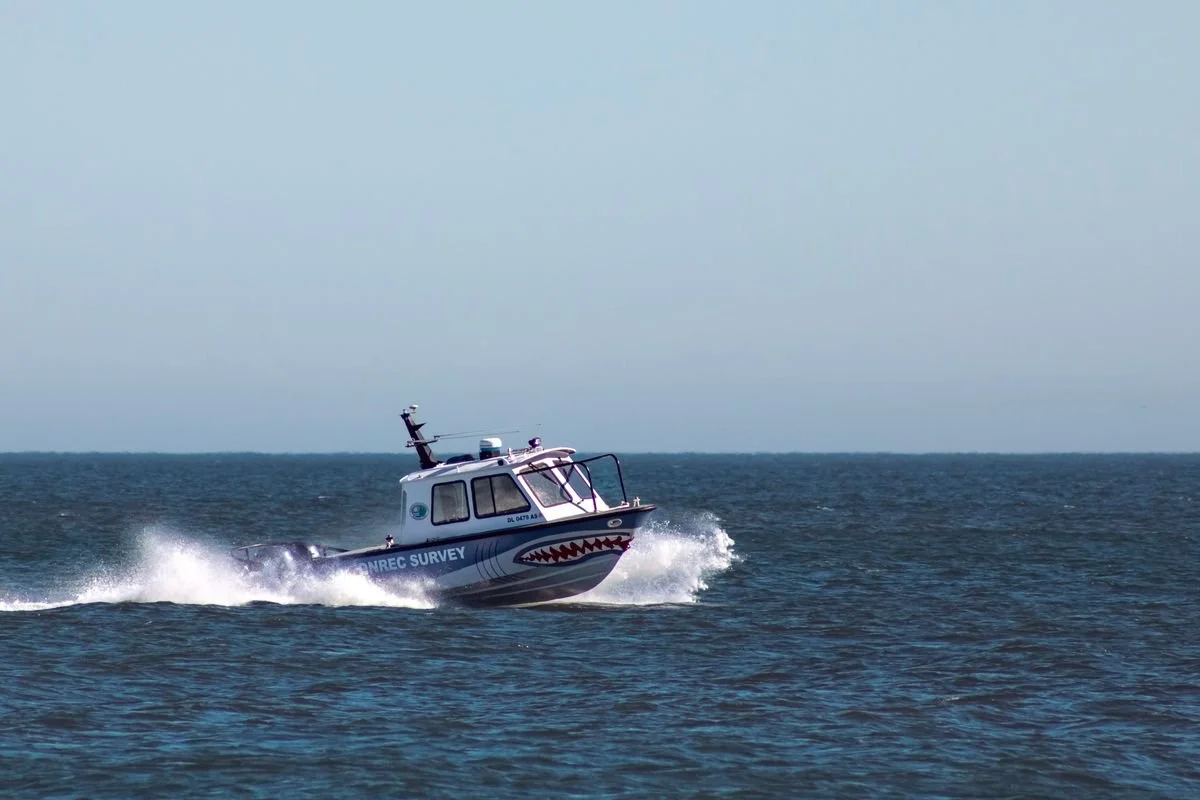
There's a specific kind of freedom that hits the moment you push off from a dock on Rehoboth Bay with nowhere in particular to be. The engine hums, the shoreline shrinks, and suddenly the week's stress feels like it belongs to someone else. Anyone who's spent a summer around Delaware's coast knows the pull. What stops most people from chasing it isn't a lack of interest. It's the assumption that owning a boat means writing a check the size of a house deposit.
That assumption deserves a second look. Buying used is how a huge number of boaters get on the water, and it's often the smarter move even when money isn't tight. Here's why a pre-owned boat might be the best adventure investment you make this year.
The Sticker Price Gap Is Real
New boats lose a meaningful chunk of their value the moment they leave the dealership, much like new cars. Depreciation tends to be steepest in the first few years, then flattens out. That means a boat that's three to seven years old has already absorbed the biggest hit, and you get to benefit from it.
In practical terms, the same budget that buys a modest new runabout can often land you a larger, better-equipped used center console or cruiser. More deck space, more horsepower, more range, and more room for friends, all for the same money.
Most Boaters Already Buy This Way
If buying used feels like settling, the numbers say otherwise. According to the National Marine Manufacturers Association, pre-owned boat sales totaled 858,798 units in 2024, making up 78.3% of all boat transactions in the United States. Fewer than one in four buyers went new.
That's not a fringe strategy. It's the default. And it means the used market is deep, competitive, and full of well-maintained boats from owners who are upgrading, downsizing, or simply moving on.
Boats Age Differently Than Cars
Here's something that surprises first-time buyers: a well-cared-for boat can stay in excellent shape for decades. Fiberglass hulls don't rust. Modern outboards are built to run for thousands of hours. Many boats spend far more time sitting in a slip or on a trailer than actually running, so a ten-year-old boat might have less real-world wear than a three-year-old car.
What matters far more than the model year is how the boat was treated. That's why a good inspection and service history are worth more than a shiny new gelcoat.
What to Look for in a Used Boat
Buying used doesn't mean buying blind. A few checks separate a great deal from an expensive lesson:
Engine hours and service records. Regular maintenance matters more than low hours.
Hull condition. Look for stress cracks, blisters, or signs of poorly repaired damage.
Electrical and steering systems. Corrosion in saltwater boats is common and worth checking closely.
A sea trial. Never buy a boat you haven't run on the water.
A marine survey. For anything beyond a small runabout, an independent surveyor is money well spent.
Working with an established dealer simplifies a lot of this. Browsing a curated selection of used boats in Delaware means the inventory has typically already been inspected, serviced, and priced based on real condition rather than a private seller's guess. Liberty Boat Group, for instance, handles the sourcing and prep work so buyers can focus on finding the right fit instead of playing detective with every listing. That kind of support is especially valuable if this is your first boat.
Lower Costs Beyond the Purchase
The savings don't stop at the sale. A used boat usually means:
Lower insurance premiums, since coverage is based on the boat's value
Smaller loan payments if you finance, or the option to buy outright
Less anxiety about the first scratch, which every boat eventually gets
Room in the budget for upgrades like a new fish finder, sound system, or wakeboard tower
That last point matters more than people expect. Spending less on the hull leaves money for the gear that shapes how you use the boat.
More Boat, More Adventure
The whole point of owning a boat is what you do with it. Overnight trips down the coast. Offshore fishing. Pulling the kids on a tube until they can't stop laughing. A used boat that gives you an extra ten feet of length or a second engine opens up trips that a smaller new boat simply can't handle safely.
Buying used often means the difference between a boat you take out on calm days and a boat you can actually take places.
Conclusion
Owning a boat doesn't have to be a luxury reserved for people with money to burn. Buying used lets someone else absorb the depreciation while you get a bigger, better-equipped vessel and lower running costs from day one.
With a careful inspection, a sea trial, and a dealer who has done the groundwork, the risks are manageable and the rewards are immediate. Adventure on the water has always been about time, not price tags, and a smart used purchase gives you more of both.







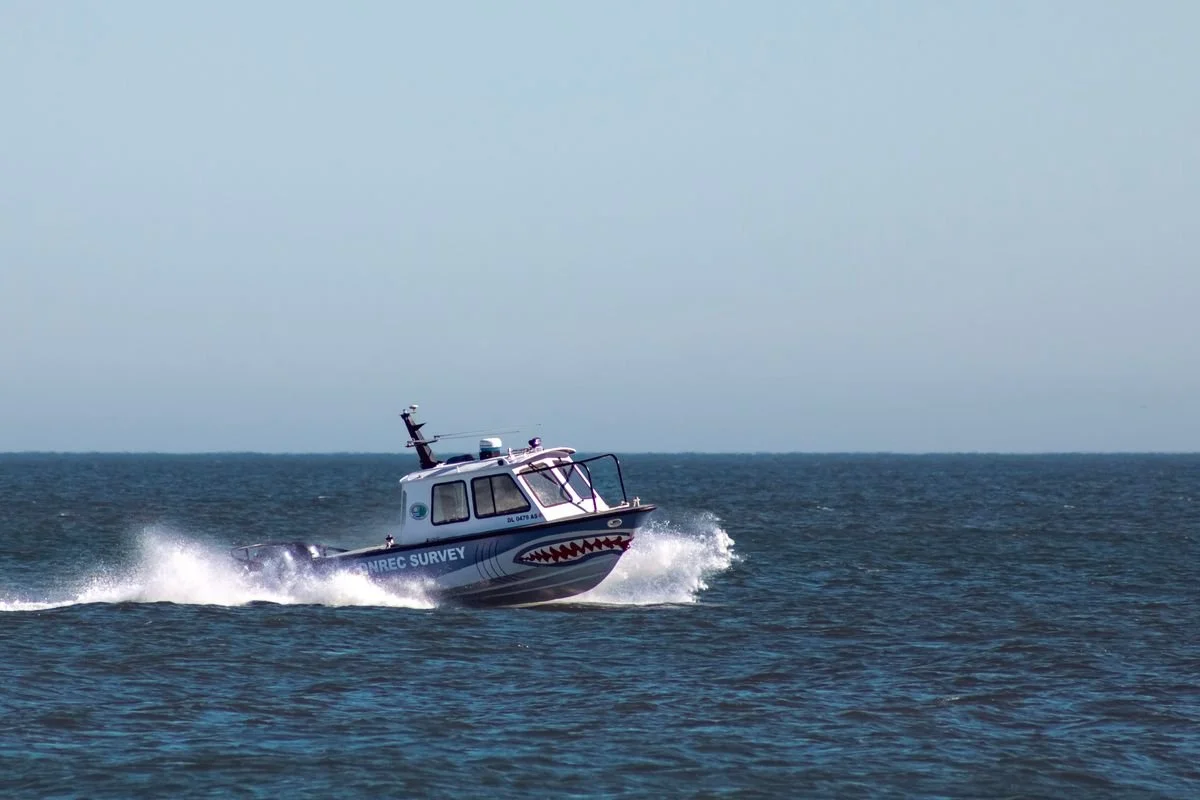





Discover why buying a used boat in Delaware can make boating more affordable, from lower prices and depreciation to bigger vessels and more adventure.