

Uncovering Authentic Experiences Beyond the Tourist Trail
/
Uncovering Authentic Experiences Beyond the Tourist Trail
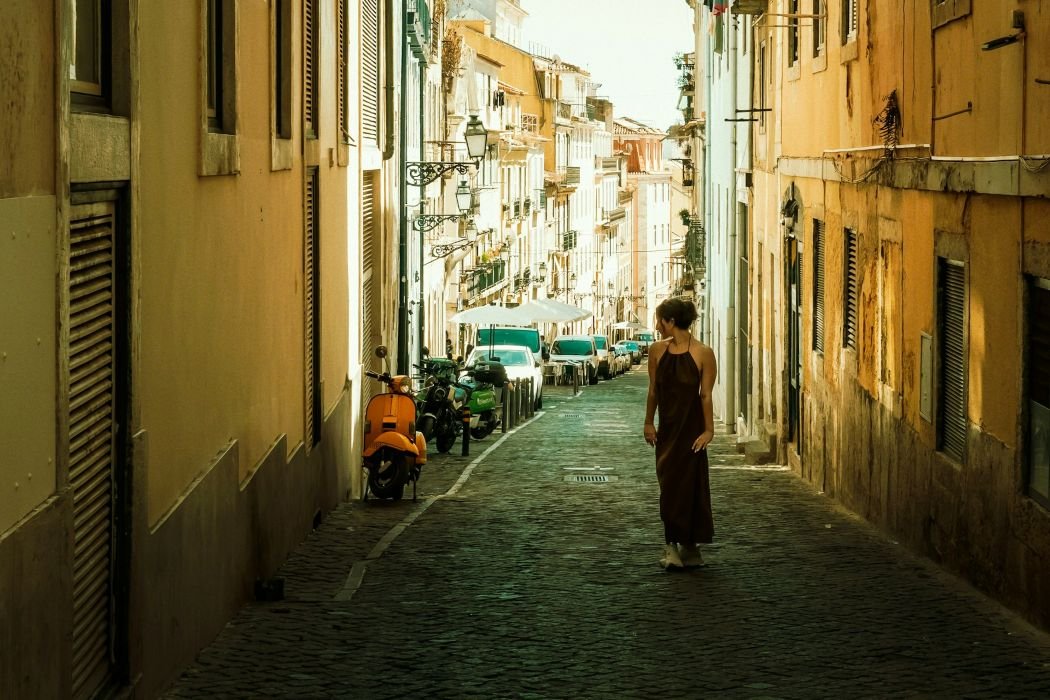
Traveling can be so much more than just ticking off a list of famous sights. While there’s nothing wrong with seeing the Eiffel Tower or the Colosseum, the most memorable moments often happen when you step off the usual tourist path. An authentic travel experience connects you to the real heart of a place. It gives you a peek into the daily lives, flavors, and rhythms that truly define a destination, far beyond its main attractions. This guide is all about finding those moments, the ones that turn a good vacation into a great adventure.
Why Seek Local Immersion?
These days, with tourism everywhere, it’s easy to feel like you’re just looking at the world through a window. You visit the same spots, eat at the same recommended restaurants, and take the same photos as millions before you. But seeking out local immersion breaks that cycle. It’s the difference between just watching a culture and actually taking part in it. When you connect with a place on a deeper level, you move past simply sightseeing and start to understand what makes that place and its people unique.
This way of traveling completely changes your perspective. A simple meal becomes a lesson in the area’s food history. A walk through a neighborhood shows you how people live there. And talking to a shop owner gives you insights you’d never find in a guidebook. Many travelers wonder if a truly authentic travel experience is even possible anymore. The answer is a definite yes, but you have to actively look for it. These experiences create stronger, more personal memories because they are all your own. You’re not just following someone else’s footsteps; you’re writing your own story.
Researching Your Destination's Soul
Authentic travel starts long before you pack your bags. While big travel guides are great for planning and seeing the main attractions, finding deeper experiences needs a different kind of research. Start by looking for information from people who actually live in the place you’re visiting. Local blogs, specific city subreddits, and Instagram accounts from residents can give you tons of ideas about what’s new, what’s overrated, and where locals actually spend their time.
Look for very local publications or neighborhood newsletters online. These often list community events, farmers' markets, art gallery openings, and small festivals that don't make it into international guides. This is how you find the annual neighborhood block party or a pop-up art show in an old warehouse.
This process is about discovering the world through local eyes before you even get there. Pay attention to discussions about local manners and customs. Knowing small things, like the right way to greet someone or how tipping works there, shows respect and can lead to more genuine interactions. This bit of effort beforehand will really pay off, helping you arrive with enough knowledge to explore with confidence and curiosity.
Exploring Local Nightlife Secrets
Nightlife is one of the best ways to feel a city’s energy, but tourist traps are everywhere. You’ll spot them by their flashy signs, generic music, and expensive drinks. The real magic happens in the places locals go, which are often hidden on side streets or in quieter neighborhoods. Instead of heading to the most famous clubbing area, ask a friendly barista or shopkeeper where they go for a drink after work.
These local spots have a much more real atmosphere. You might find a cozy pub with unique regional beers, a hidden courtyard bar, or a live music venue featuring up-and-coming local bands. In a huge city like Tokyo, for example, a detailed Tokyo nightlife guide can be super helpful. It might guide you away from the crowded tourist areas and towards the tiny, atmospheric standing bars in a neighborhood like Golden Gai, or the cool, relaxed jazz cafes of Koenji that you’d never find on your own. The goal is to find a place where you can have a real conversation and see the city as it truly is after dark, not just a show put on for visitors.
Finding Hidden Culinary Gems
Food is a universal language, and there’s no better way to connect with a culture than through its cuisine. But to find authentic food, you need to skip the restaurants with laminated, multi-language menus and pictures of every dish. These are usually made for tourist convenience, not for great food. Instead, find the best local food and eat like a local.
One of the surest signs of a great restaurant is a line of local people waiting outside. If a place is busy, especially during off-peak hours, it’s almost certainly worth the wait. Look for places with menus written only in the local language or on a simple chalkboard. This usually means the dishes change based on what’s fresh and that the chef is cooking for local tastes.
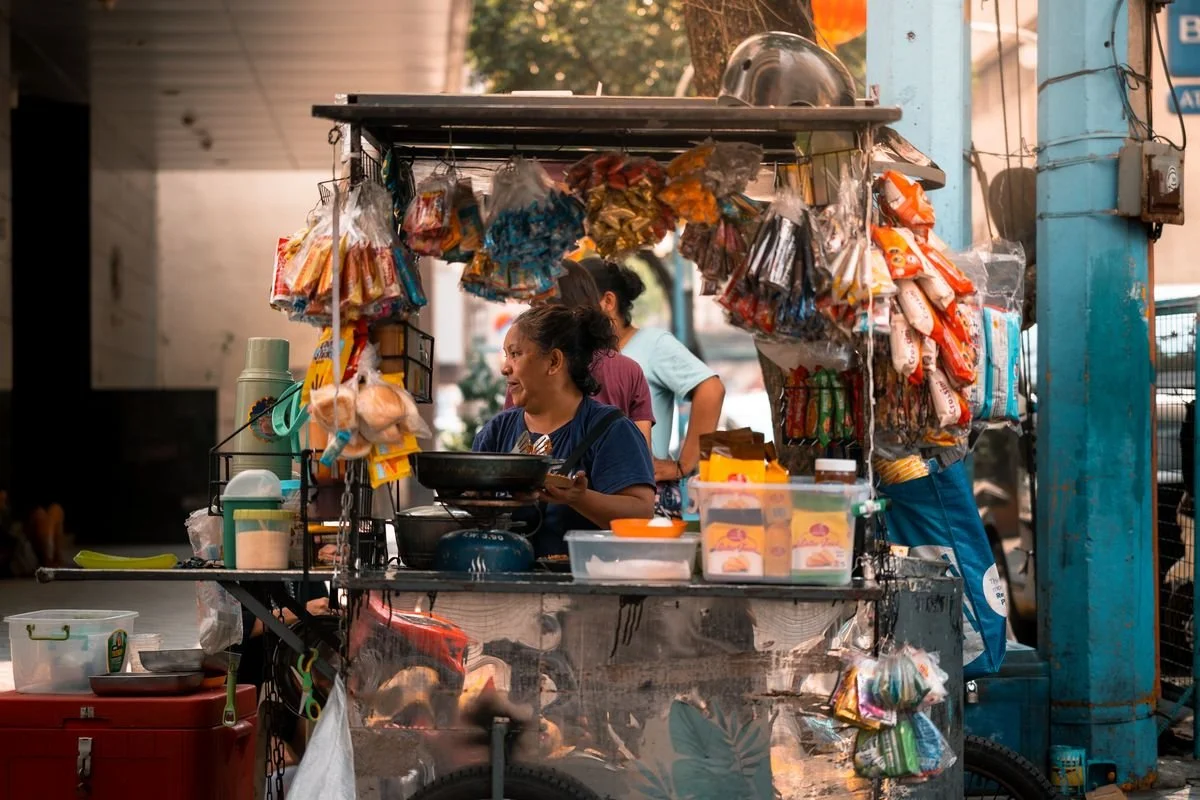
Don’t be afraid to explore food markets and food halls. These busy places are where residents shop and eat, offering an amazing variety of dishes at good prices. Pull up a stool at a busy food stall and point to what looks good. It’s an adventure for your taste buds and a fantastic way to experience the daily food culture of your destination.
Connecting with Locals
The final and most important step in finding authentic experiences is to connect with the people who live in your destination. These interactions, even short ones, are what you’ll remember long after you’ve come home. One of the easiest ways to start a conversation is by learning a few basic phrases in the local language. You don’t need to be fluent, but knowing how to say "hello," "please," "thank you," and "excuse me" shows respect and effort. It’s a small gesture that boosts your cultural understanding and makes you seem more friendly.
Choose your accommodation carefully. Staying in a local guesthouse, a small boutique hotel, or a rented apartment in a residential neighborhood puts you directly in touch with residents and gives you a feel for daily life. Your host can be an incredibly valuable source of recommendations.
Finally, be open, curious, and respectful. Put your phone away, make eye contact, and smile. Ask questions. Compliment a chef on a delicious meal or ask a street vendor about their craft. Most people are proud of their home and happy to share it with visitors who show real interest. These small moments of human connection are the true souvenirs of your travels.
The next time you plan a trip, challenge yourself to find one experience that isn’t in the guidebook. Whether it’s trying a strange new food, getting lost in a quiet neighborhood, or striking up a conversation with a stranger, these are the moments that create lasting memories.





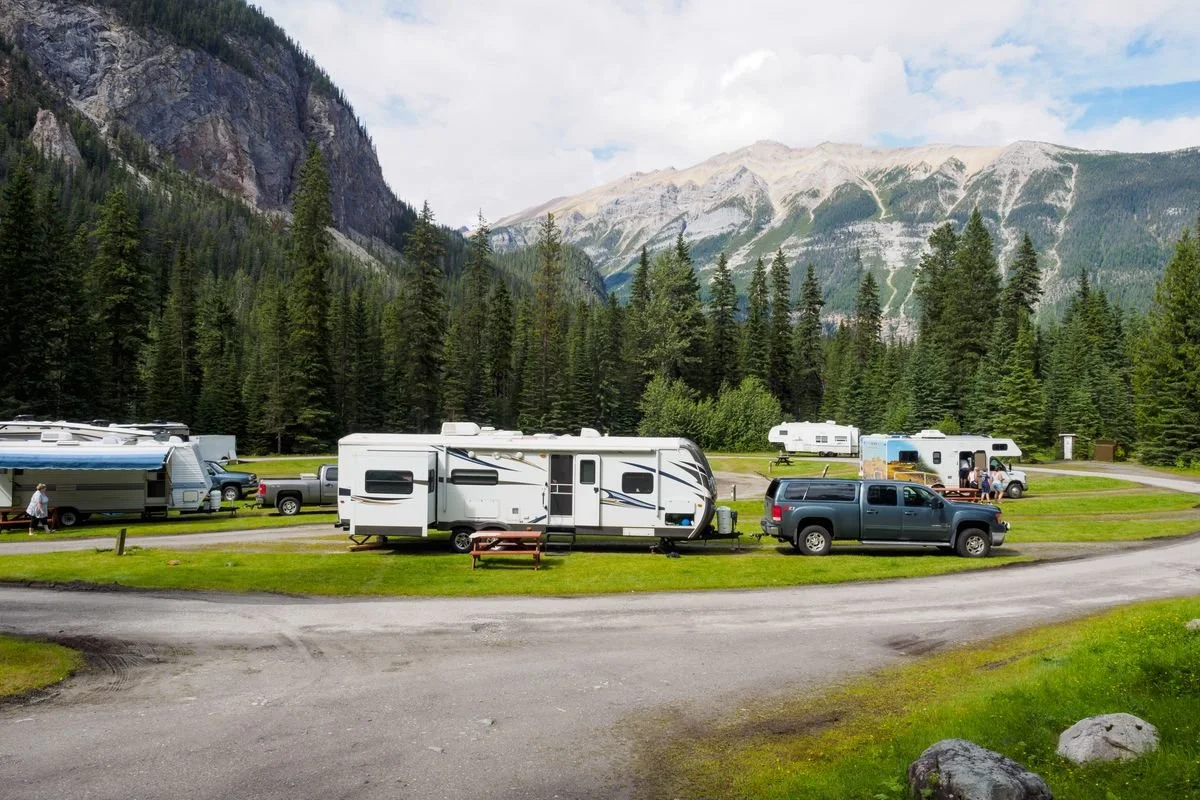





Discover the best things to do in Quartzsite AZ, from winter RV camping and desert adventures to gem shows, swap meets, scenic drives, and outdoor exploration.