

Moab Off-Road Trails: How to Prepare for an Off-Grid Utah Adventure
/
Moab Off-Road Trails: How to Prepare for an Off-Grid Utah Adventure
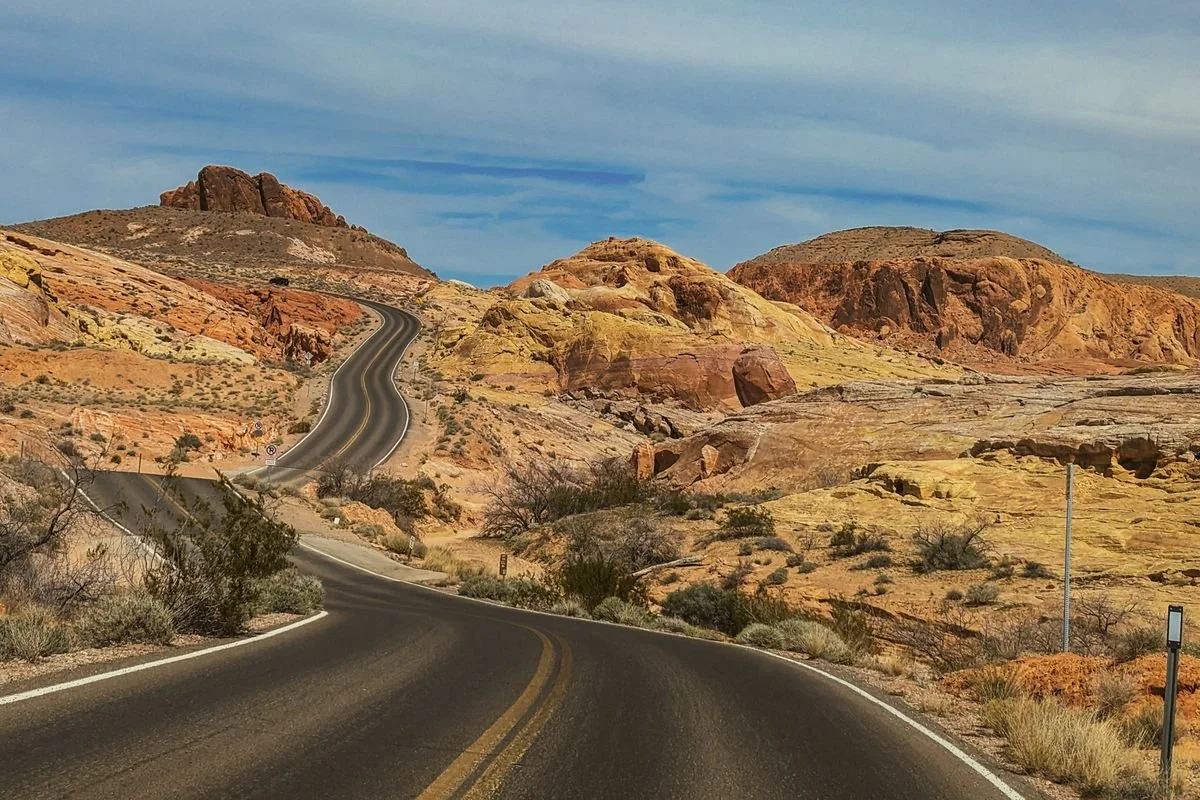
The red-rock landscape around Moab, Utah, seems designed for exploration. Beyond the paved roads and busy viewpoints, a network of rugged desert trails leads into canyons, across slickrock, and toward panoramic overlooks. For drivers who want more than a traditional national park road trip, exploring Moab off-road trails can turn a visit to southeastern Utah into a genuine backcountry adventure.
However, the desert is not a place where you should simply point your vehicle toward the horizon and hope for the best. Moab's terrain ranges from relatively accessible dirt roads to technical routes with steep climbs, ledges, loose rock, sand, and exposed sections. Some trails are suitable for high-clearance SUVs, while others require experienced drivers, four-wheel drive, and properly equipped vehicles.
Getting ready for an off-grid Moab adventure therefore requires more than enthusiasm. You need the right vehicle, recovery equipment, navigation tools, supplies, and a realistic understanding of your own driving abilities.
Why Moab Is Ideal for an Off-Road Adventure
Moab is one of the most recognizable off-roading destinations in the United States. The area combines expansive public lands with an unusual mix of slickrock, sandstone ledges, sandy washes, rocky tracks, and dramatic canyon scenery. Routes such as Fins & Things, Chicken Corners, Hell's Revenge, and Sevenmile Rim offer very different experiences depending on your vehicle and skill level.
You can spend one day driving a relatively manageable scenic route and another testing a highly modified 4x4 on technical terrain. You can also combine off-road driving with hiking, camping, photography, and visits to nearby national parks.
For a first trip, though, resist the temptation to choose a trail simply because it has the most intimidating reputation.
A better strategy is to match the route to:
Your vehicle's capabilities.
Your previous off-road experience.
Current trail conditions.
Weather and temperature.
The amount of daylight available.
The experience level of everyone in your group.
Moab trail guides currently categorize routes across a wide spectrum, from easier scenic routes such as Hurrah Pass to extremely challenging trails such as Pritchett Canyon.
The goal isn't necessarily to conquer the hardest trail. The goal is to return from the desert with a great story rather than a damaged vehicle or an avoidable rescue situation.
Prepare Your Vehicle for Moab's Rugged Terrain
Your vehicle becomes your transportation, shelter, storage space, and recovery platform once you leave paved roads. That makes preparation particularly important.
Start by understanding exactly what your vehicle can handle.
A high-clearance SUV with suitable tires may be enough for some scenic routes. More technical trails can demand substantially more capability, including four-wheel drive, stronger underbody protection, appropriate tires, recovery equipment, and experienced driving. Some difficult Moab routes are specifically recommended for modified vehicles rather than stock SUVs.
Before leaving town, inspect the basics:
Tire condition and tread depth.
Tire pressure and spare tire.
Suspension and steering components.
Engine fluids and coolant.
Battery condition.
Brakes.
Recovery points.
Tow straps and recovery equipment.
Underbody protection.
Jack and tire-changing equipment.
Your tire setup deserves particular attention. Desert trails can combine sharp rocks, loose sand, slickrock, and uneven ledges. A good all-terrain setup may be appropriate for many recreational routes, while more technical terrain can require equipment specifically suited to rock crawling.
Ground clearance also matters. When you're navigating rocky shelves and uneven ledges, additional clearance can reduce the chance of striking vulnerable components underneath your vehicle. This is one reason serious off-road enthusiasts often consider modifications discussed in guides to lifted trucks.
However, modifications alone don't make a vehicle capable of handling every Moab trail. Driver experience, route selection, tire placement, and recovery planning are equally important.
Build a Moab-Specific Off-Grid Packing List
Once you leave the paved roads surrounding Moab, you should assume that you may spend considerably longer in the desert than expected.
A short trail can take much longer when you stop for photographs, encounter an obstacle, help another driver, or deal with changing conditions. Some remote routes also have limited or no services, making self-sufficiency essential.
Your basic equipment should include:
Plenty of drinking water.
Food and high-energy snacks.
First-aid supplies.
Navigation equipment.
Physical maps.
A satellite messenger or emergency communication device.
Flashlights or headlamps.
Extra clothing layers.
Sun protection.
Emergency blankets.
Extra vehicle fluids.
Spare tire and tire-repair equipment.
Recovery boards or other appropriate recovery equipment.
Shovel.
Tow or recovery gear.
Basic tools.
Portable power or backup batteries.
A good off-grid packing list can help you identify equipment you might otherwise overlook.
Navigation deserves special attention. Cell service should not be your only plan for finding your way around remote terrain. Download maps before leaving town, carry a physical map and compass, and understand your route before you start driving.
You should also tell someone where you're going and when you expect to return.
Choose the Right Moab Trail for Your Experience
One of the biggest mistakes first-time visitors make is confusing a famous trail with an appropriate trail.
Moab has routes for different levels of experience. For example, Hurrah Pass offers a more accessible introduction to the area's desert scenery, while Chicken Corners provides a step up in difficulty. Fins & Things introduces drivers to Moab's distinctive slickrock terrain. More demanding routes, including Hell's Revenge, Metal Masher, and Pritchett Canyon, require considerably greater skill and vehicle preparation.
If you're new to off-roading, consider starting conservatively.
A scenic trail where you remain comfortable is far more enjoyable than a technical route where every obstacle becomes stressful. You can always return to Moab with a more capable vehicle and greater experience.
Before selecting a route, check:
Trail difficulty: Don't rely only on an old blog post or social media video.
Recent conditions: Rain, snow, flooding, erosion, and other changes can affect trail access.
Vehicle requirements: Make sure your vehicle is genuinely suited to the route.
Weather: Desert conditions can change the difficulty of a trail dramatically.
Daylight: Give yourself enough time to finish before dark.
Permits and restrictions: Some routes and recreation areas have specific access requirements.
Current trail information is particularly important because conditions and access can change. Trails Offroad, for example, provides updated route information and difficulty ratings for many Utah trails.
Learn How to Drive on Slickrock and Rocky Trails
Having the right vehicle is only half of the equation.
Moab's terrain rewards patience rather than speed. On technical sections, slow and deliberate driving gives you more time to choose your tire placement and respond to changing terrain.
Before attempting a difficult obstacle, stop and inspect it.
If necessary, get out of the vehicle and walk the line. Look for rocks that could damage your tires, steep transitions that could cause underbody contact, and sections where your vehicle's approach or departure angle could become a problem.
When driving:
Use smooth throttle inputs.
Avoid unnecessary wheel spin.
Maintain momentum when appropriate.
Keep your eyes on the terrain ahead.
Use a spotter when the situation calls for one.
Never let peer pressure determine whether you attempt an obstacle.
Know when backing out is the smarter decision.
This is especially important on narrow ledges and steep slickrock sections. Some Moab trails contain obstacles where a poor line can result in vehicle damage or a dangerous situation.
And remember that off-road recreation isn't just about reaching the end of the trail. Staying on designated routes helps protect the fragile desert environment. Follow responsible recreation principles and avoid creating new tracks across the landscape.
Prepare for Moab's Desert Weather
The desert can be deceptive. A sunny morning in Moab can become an uncomfortable afternoon if you're unprepared for heat and direct sun. Conversely, temperatures can drop significantly after sunset, particularly during the cooler seasons.
Weather can also affect trail conditions. Rain can create problems on some dirt routes, while flash flooding is a potential hazard in desert canyon environments. Certain routes can become temporarily impassable after heavy precipitation.
Before every off-road excursion, check the weather forecast and any current trail or road advisories. Don't forget to prepare for the simple things, too. Bring more water than you expect to need, protect yourself from the sun, and avoid assuming that a short distance on a map means a short day in the desert.
Embrace the Unexpected on Moab's Backroads
No matter how carefully you plan, an off-grid trip rarely unfolds exactly as expected. A tire problem could delay your itinerary. A difficult obstacle might convince you to turn around. A trail could be affected by recent weather. You might discover that the route you planned is less suitable for your vehicle than expected.
The best Moab adventures often happen when you leave enough room in your schedule to explore without constantly watching the clock. A viewpoint might deserve an extra hour. A short hike could become the highlight of the day. A sunset over the red-rock landscape might make a planned destination completely irrelevant.
The key is knowing the difference between an adventure and an unnecessary risk.
A well-prepared driver carries enough equipment to deal with reasonable problems, researches the route beforehand, respects changing conditions, and knows when to turn around.That mindset makes the difference between simply driving a trail and experiencing the backcountry.
Moab's most spectacular landscapes aren't always found beside the highway. Some are reached by following rough tracks through the desert, climbing slickrock, crossing remote terrain, and taking the time to appreciate the enormous landscape around you.
So prepare your vehicle, build your essential outdoor gear kit, research your route, and leave plenty of room for the unexpected.
The best Moab off-road trails aren't simply roads leading from one destination to another. They are part of the adventure itself.












A kart racing school is the perfect experience for thrill seekers because it delivers raw, unfiltered speed while putting every decision in the driver's hands, teaches the skills that make each lap faster than the last, demands full physical and mental engagement.