

Grand Canyon Adventure Travel Safety: Come Prepared!
/
Grand Canyon Adventure Travel Safety:
How to Prepare for Extreme Heat, Remote Trails and Sudden Weather
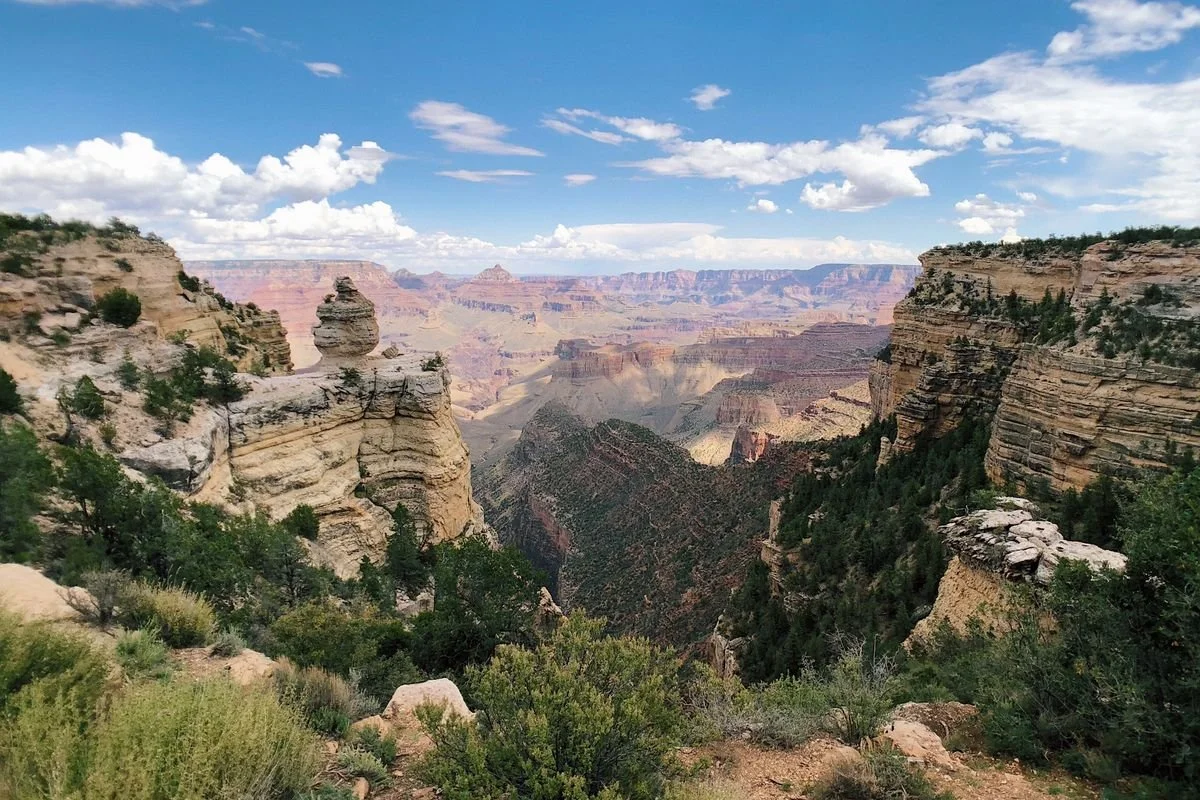
The Grand Canyon is one of America's ultimate adventure destinations. From hiking below the rim to backpacking into the canyon, rafting the Colorado River, and exploring the surrounding desert landscapes, the region offers far more than scenic overlooks.
However, the Grand Canyon's spectacular scenery can disguise how demanding the environment really is. Elevation changes, extreme temperatures, limited shade, dehydration, steep trails, thunderstorms, flash floods, and remote terrain can turn an ambitious hike into a serious emergency.
The National Park Service warns that more than 300 people are rescued from the canyon each year. It also emphasizes that there are no easy trails into or out of the canyon.
A successful Grand Canyon adventure therefore depends on more than physical fitness. It requires understanding the environment, checking conditions before setting out, carrying appropriate supplies, and knowing when to change your plans.
Understanding the Risks of Adventure Travel in the Grand Canyon
The Grand Canyon presents a combination of hazards that travelers may not encounter on ordinary hiking trips.
One of the biggest challenges is extreme heat. Temperatures can vary dramatically between the rim and the canyon interior. While the South Rim can feel relatively comfortable during summer, temperatures deeper in the canyon can exceed 100°F. The National Park Service specifically warns that inner-canyon temperatures can become dangerously high during the summer months.
This creates an unusual hiking challenge: the return journey is generally harder than the hike down. A trail may feel easy during the descent, but climbing thousands of feet back toward the rim in intense heat requires considerably more energy.
Dehydration and heat exhaustion are therefore major concerns. Hiking during the hottest part of the day can increase the risk substantially, particularly on routes with little shade or limited access to water.
Weather presents another danger. Summer thunderstorms can produce lightning, intense rainfall, and sudden flash floods. Importantly, it does not necessarily have to be raining where you are for floodwaters to reach a canyon or drainage.
Rockfalls, icy trails during winter, strong winds, and rapidly changing conditions can create additional hazards.
The key is to understand that the Grand Canyon is not simply a viewpoint with a hiking trail attached to it. Once you descend into the canyon, you are entering a rugged environment where rescue assistance may be delayed.
Essential Pre-Trip Planning for the Grand Canyon
Preparation should begin before you arrive in Arizona:
First, choose your hiking route based on your actual experience and fitness rather than photographs or estimated distances. A short distance on a map does not necessarily mean an easy hike. The elevation changes, heat, steep terrain, and limited shade can make even relatively modest hikes physically demanding.
Before leaving for the trail, check the latest weather forecast, trail conditions, water availability, and park alerts. Conditions can change quickly, so information from several days earlier may no longer be reliable.
The National Park Service recommends checking current conditions before hiking and emphasizes preparing before entering the canyon.
Create an itinerary and tell someone where you are going. If you are planning a longer hike or overnight backpacking trip, provide your expected route and approximate return time to someone who is not traveling with you.
Pack according to the conditions rather than the appearance of the trail. Depending on your route and season, you may need substantial water, electrolyte replacement, food, sun protection, layers, navigation equipment, a first-aid kit, and emergency communication equipment.
Do not assume that your cell phone will always be sufficient. Remote areas can have limited connectivity, making a satellite communication device particularly useful for serious backcountry trips.
Hiking Below the Rim: Why the Return Trip Matters
One of the biggest mistakes first-time visitors make is underestimating the difficulty of hiking into the Grand Canyon. Walking downhill can feel deceptively easy. The problem begins when it is time to climb back out.
The difference in elevation between the South Rim and the Colorado River means that hikers can experience dramatically different temperatures during the same excursion. The National Park Service strongly cautions against attempting to hike from the rim to the river and back in one day, particularly from May through September.
During summer, the park advises hikers to avoid the hottest part of the day. Current National Park Service guidance recommends avoiding strenuous hiking in the inner canyon between approximately 10 a.m. and 4 p.m. during extreme summer heat.
Plan your route around the conditions rather than trying to complete the maximum possible distance.
Start early when appropriate, take regular breaks, monitor how you and your companions are feeling, and turn around before you reach the point of exhaustion.
If you begin experiencing dizziness, nausea, confusion, unusual fatigue, or other signs of heat illness, stop and address the problem rather than pushing toward your destination.
In the Grand Canyon, finishing the hike is never more important than getting back safely.
Flash Floods, Lightning and Sudden Weather
Thunderstorms are one of the most unpredictable hazards in Northern Arizona.
A storm can develop miles away from your location and still send water rushing through a canyon or drainage. The National Park Service warns that flash floods can occur even when there is little or no rain directly overhead.
This is particularly important for hikers exploring narrow canyons, washes, and other low-lying areas.
Before starting a hike, check the weather forecast and understand where your route could be affected by runoff. If storms are developing, reconsider entering narrow canyons or other areas where escaping rising water could be difficult.
Lightning is another serious concern. The Grand Canyon experiences frequent lightning, and being below the rim does not automatically mean you are protected from a storm.
If you hear thunder or see lightning approaching, do not become so committed to your itinerary that you ignore the warning signs. Move toward a safer location and be prepared to abandon the hike if necessary.
The same principle applies to every major hazard in the park: conditions should determine your plans, not the other way around.
Driving Safely Around the Grand Canyon
For many travelers, the Grand Canyon is part of a larger American Southwest road trip. Visitors often combine the park with destinations such as Sedona, Page, Monument Valley, Zion, or other national parks.
This makes driving another important part of adventure-trip safety.
Distances in Northern Arizona can be deceptive. A destination may look relatively close on a map, but remote roads, limited services, road closures, construction, and weather can significantly increase travel time. The National Park Service specifically advises visitors to keep their gas tanks full and carry water in their vehicles because the next gas station may be a considerable distance away.
Winter presents additional challenges. Snow and ice can make roads hazardous and may temporarily close park roads.
Before setting out on a long drive, check road conditions and weather forecasts. Make sure your rental vehicle is appropriate for your route and keep enough fuel, water, and basic supplies in the vehicle.
If you are involved in a vehicle collision, the situation can become more complicated when you are traveling far from home. You may need to deal with unfamiliar traffic regulations, insurance companies, rental-car policies, and medical or legal issues.
Document the accident carefully and obtain the appropriate information from the other parties involved. In more serious situations, professional legal assistance may be useful. A car accident lawyer can help you understand your rights and options following a collision.
Travel Insurance and Legal Preparedness
Travel insurance is worth considering when your itinerary includes physically demanding activities or remote destinations.
However, do not assume that every adventure activity is automatically covered by a standard policy. Read the terms carefully and check whether hiking, rafting, backcountry activities, or other planned excursions have specific exclusions or requirements.
The right travel insurance should provide appropriate protection for medical emergencies, evacuation, and trip cancellation.
Keep digital and physical copies of your passport, driver's license, insurance information, vehicle rental agreement, emergency contacts, and accommodation details.
If you are planning a remote backpacking trip, also make sure someone at home knows your general itinerary and when you expect to return.
Legal preparedness is particularly relevant for road trips. Understand the terms of your rental-car agreement, follow local traffic laws, and avoid driving when fatigue or extreme weather makes conditions unsafe.
What to Do When Something Goes Wrong
Even careful travelers can encounter unexpected problems.
A twisted ankle, heat exhaustion, sudden storm, vehicle breakdown, or navigation mistake can quickly become more serious when you are several miles from the nearest road or ranger station.
The most important response is to remain calm and assess the situation.
If you are hiking with others, stay together whenever possible. Do not allow one person to continue alone simply to reach the destination faster.
If weather changes suddenly, prioritize getting to a safer location rather than completing the planned route. If someone becomes seriously ill or injured, use your emergency communication method and provide rescuers with your location and condition.
Remember that rescue may take time. The National Park Service notes that assistance can be delayed during extreme heat, severe weather, or periods when rescue resources are heavily committed.
This is why preparation matters so much. Carrying sufficient water, food, first-aid supplies, navigation equipment, and emergency communication tools can give you more options while waiting for assistance.
Returning Home Safely
After a demanding Grand Canyon adventure, give yourself time to recover.
Long hikes, significant elevation changes, intense heat, and several days of physical activity can leave you more exhausted than expected. Hydrate, eat adequately, and allow your body to recover before immediately returning to another packed itinerary.
If you become unwell after returning home, tell your doctor about your recent trip and the activities you participated in.
It is also worth reviewing the safety considerations for solo travelers you followed during the trip. Consider which preparations were useful and what you would change before your next adventure.
Finally, clean and inspect your hiking boots, backpack, water containers, navigation equipment, and other gear. Proper maintenance ensures that everything is ready for your next trip.
Experience the Grand Canyon Without Underestimating It
The Grand Canyon is extraordinary precisely because it is so much more than a scenic viewpoint. Its immense scale, dramatic elevation changes, desert climate, and rugged backcountry create genuinely challenging adventure opportunities.
That same environment demands respect.
Check conditions before every major excursion. Carry enough supplies. Start strenuous hikes at appropriate times. Watch the weather. Take flash-flood and lightning warnings seriously. Keep your vehicle prepared for long distances, and never hesitate to abandon a plan when conditions become unsafe.
The best Grand Canyon adventure is not necessarily the one where you hike the farthest or check the most trails off your list.
It is the one where you experience the canyon's extraordinary landscapes, challenge yourself responsibly, and return home with unforgettable memories rather than an avoidable emergency.








Explore San Antonio by RV while staying in Pleasanton. Discover RV camping tips, day trips, nearby attractions, and practical planning advice for South Texas.