Shenandoah Valley Road Trip Safety Tips: What to Know Before You Drive
/
Shenandoah Valley Road Trip Safety Tips: What to Know Before You Drive
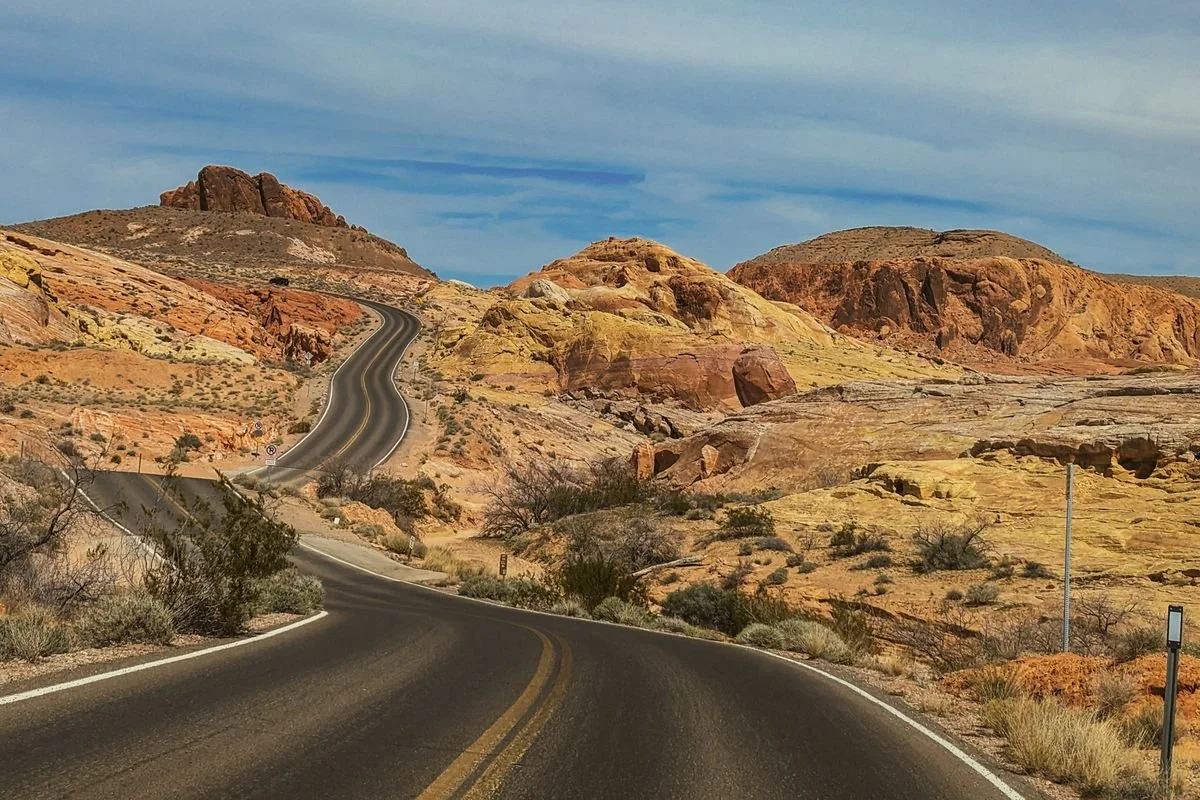
A road trip through Virginia's Shenandoah Valley can be an unforgettable way to experience the state's mountains, forests, overlooks, and small towns. Routes around Shenandoah National Park and Skyline Drive offer plenty of opportunities to slow down and explore.
However, mountain road trips require a little more preparation than a typical highway drive. Elevation changes, winding roads, wildlife, sudden weather shifts, and stretches with limited cell service can all create unexpected challenges.
The good news is that a little preparation goes a long way. Before heading toward the Blue Ridge Mountains, check your vehicle, plan your route, and prepare for the conditions you may encounter along the way.
This guide covers the most important Shenandoah Valley road trip safety tips so you can spend less time worrying about roadside problems and more time enjoying Virginia's scenery.
Before You Drive Into the Shenandoah Valley
A successful mountain road trip starts before you leave home. Your vehicle may perform perfectly around town, but long climbs, steep descents, winding roads, and extended driving can put additional demands on it.
Ideally, complete a thorough vehicle inspection at least a week before your trip. That gives you enough time to fix anything that could become a problem on the road.
Your pre-trip check should include:
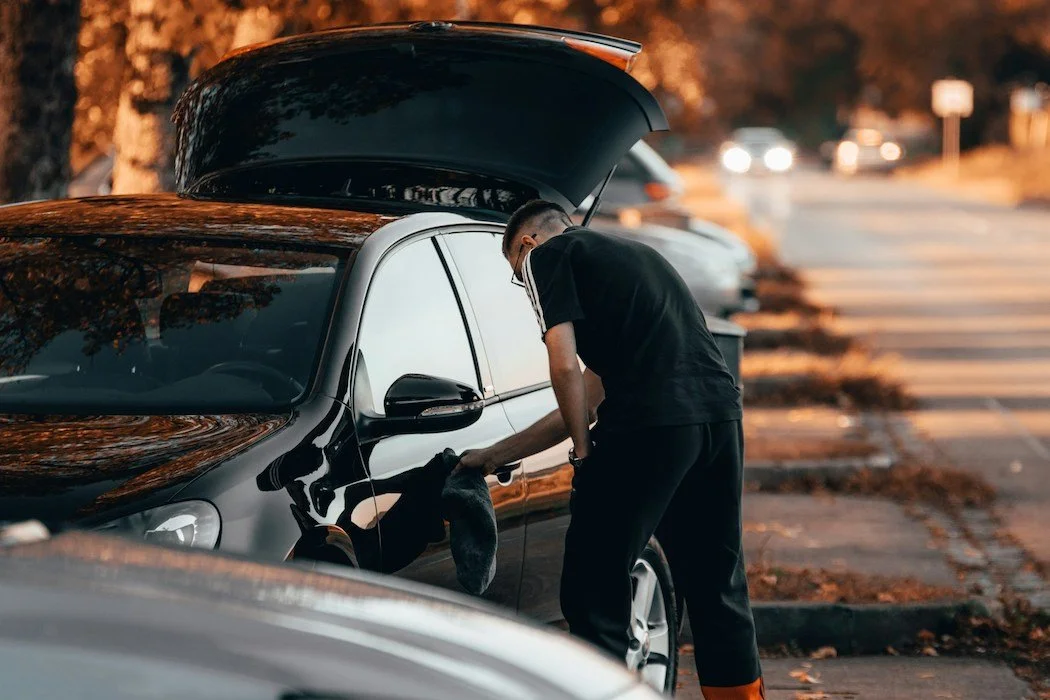
Tires: Check the pressure of all four tires and the spare. Use the manufacturer's recommended pressure rather than the maximum number printed on the tire. Also inspect the tread for uneven wear, cracks, or embedded debris.
Fluids: Check your engine oil, coolant, brake fluid, and windshield washer fluid. Mountain driving can place additional demands on your cooling and braking systems.
Brakes: Pay attention to squealing, grinding, vibrations, or a soft brake pedal. Reliable brakes are particularly important when descending steep mountain roads.
Lights and Wipers: Check headlights, brake lights, turn signals, and hazard lights. Replace worn windshield wipers before the trip, especially if rain is in the forecast.
Battery: A weak battery can become a major inconvenience when you're far from a town or service station. Have it tested if it is several years old.
Spare Tire: Make sure the spare is properly inflated and that you actually have the tools needed to change a tire.
Mountain driving also makes route planning especially important. Don't assume your phone will always have a strong signal. Download maps before leaving and consider carrying a physical road map as a backup.
The National Highway Traffic Safety Administration's summer driving tips are also worth reviewing before a warm-weather road trip.
Finally, keep your driver's license, vehicle registration, and proof of insurance somewhere easy to access. You don't want to dig through your luggage while stopped on the side of the road.
Plan for Mountain Roads and Skyline Drive
Driving through the Shenandoah Valley isn't quite the same as cruising down an interstate.
Once you head toward the Blue Ridge Mountains, roads can become narrower and more winding. Curves may hide vehicles, cyclists, hikers, or wildlife until you're relatively close to them.
Give yourself extra time instead of trying to maintain the same pace you would on a major highway.
When driving through mountainous areas:
Slow down before entering sharp curves.
Stay within your lane, particularly on blind turns.
Avoid passing unless visibility is excellent and passing is clearly permitted.
Leave additional space between your vehicle and the one ahead.
Use lower gears when appropriate on long descents.
Don't become distracted by scenic overlooks while driving.
Pull completely off the roadway when stopping to take photographs.
Skyline Drive is particularly scenic, which can make it tempting to focus more on the landscape than the road. Instead, use designated overlooks and parking areas whenever you want to stop.
Wildlife is another consideration. Deer and other animals can appear unexpectedly, especially around dawn, dusk, and wooded stretches. Reduce your speed when visibility is limited and watch the roadside carefully.
What to Do If Your Vehicle Breaks Down
Even a carefully inspected vehicle can develop a problem. A flat tire, dead battery, overheating engine, or mechanical failure can quickly change the mood of a mountain getaway.
If something goes wrong, your first priority should be getting yourself and your passengers somewhere safe.
Turn on your hazard lights and carefully move as far away from moving traffic as possible. If you're on a busy road, don't stand beside the vehicle unless it is genuinely safe to do so.
If you have a flat tire and are in a secure location with enough space, you may be able to replace it yourself. However, roadside repairs aren't always appropriate on narrow mountain roads, curves, or areas with fast-moving traffic.
For a serious mechanical problem, professional roadside assistance is usually the better option.
It's smart to save a roadside-assistance provider in your phone before leaving Northern Virginia. Having the contact information ready can save considerable time if your vehicle breaks down.
A local provider offering towing & roadside assistance can help when you need a vehicle moved safely or require assistance after an unexpected breakdown.
This is particularly useful if your trip begins around Falls Church, Arlington, Alexandria, or another Northern Virginia community before heading west toward the Shenandoah Valley.
Don't Underestimate Driver Fatigue
The scenery may be spectacular, but a long drive through Virginia can still become exhausting.
Driver fatigue is one of the most overlooked road-trip hazards. Drowsiness affects reaction time, concentration, and decision-making. It can also lead to brief periods of microsleep, which are particularly dangerous on winding mountain roads.
The Centers for Disease Control and Prevention notes that staying awake for 18 hours can produce an impairment level comparable to a blood alcohol concentration of 0.05%.
Start your Shenandoah trip well-rested. Aim for seven to eight hours of sleep before a long driving day, particularly if you plan to leave Northern Virginia early in the morning.
You should also recognize the warning signs of fatigue:
Frequent yawning or blinking
Heavy eyelids
Difficulty concentrating
Forgetting the previous few miles
Drifting within your lane
Accidentally hitting a rumble strip
If you notice these symptoms, don't try to push through them simply because you are close to your destination.
Pull over at a safe location and take a break. If you're traveling with another licensed driver, switching drivers can also help.
For longer drives, stopping approximately every two hours gives you an opportunity to stretch, drink water, and reset your attention.
You can also plan entertainment in advance with these ideas for how to keep yourself entertained on a long trip.
Prepare for Rapidly Changing Mountain Weather
Weather can change quickly in the Blue Ridge Mountains. A pleasant morning in the Shenandoah Valley can give way to heavy rain or fog later in the day.
That's why checking the forecast before leaving isn't enough. Check conditions again during the trip, especially before entering more remote mountain sections.
Driving in Heavy Rain
Rain reduces traction and increases stopping distances. Slow down and leave more space between your vehicle and the car ahead.
Be alert for hydroplaning, particularly after heavy rainfall. If your vehicle begins to hydroplane, gently ease off the accelerator and keep the steering wheel pointed in your intended direction until the tires regain traction.
Avoid using cruise control during heavy rain because you need to maintain direct control of your vehicle.
Dealing With Fog
Fog can be especially challenging in elevated areas.
If visibility drops, slow down and use your low-beam headlights. High beams can reflect off water droplets and make it harder to see.
Increase your following distance and avoid sudden maneuvers. If visibility becomes dangerously poor, find a safe place to pull completely off the roadway rather than continuing simply to stay on schedule.
Strong Winds
Mountain roads can also experience strong gusts, particularly around exposed ridges and open sections.
Keep both hands on the steering wheel when conditions are windy. Drivers of SUVs, vans, and other taller vehicles should be especially cautious because their larger profiles can make them more susceptible to crosswinds.
Carry an Emergency Kit
One of the smartest things you can do before a Shenandoah road trip is prepare for the possibility that you may have to wait for assistance.
The U.S. government's emergency-preparedness website provides useful guidance for building a basic emergency kit.
Your kit doesn't have to be enormous. However, it should contain enough supplies to handle a minor problem or keep you comfortable while waiting for help.
Vehicle Supplies
Consider carrying:
Jumper cables or a portable jump starter
Tire pressure gauge
Portable air compressor
Basic toolkit
Duct tape for temporary repairs
Reflective triangles or LED emergency lights
Work gloves
Spare tire and tire-changing equipment
Extra windshield washer fluid
Personal and Safety Supplies
Your personal emergency supplies should include:
First-aid kit
Flashlight with extra batteries
Portable phone power bank
Bottled water
Non-perishable snacks
Warm blanket
Rain poncho
Basic medications you normally carry
Physical map or downloaded offline maps
For colder-weather trips, add an ice scraper and a small shovel. Cat litter or sand can also provide additional traction if you encounter ice or snow.
Because some rural and mountain areas can have unreliable cell service, don't depend entirely on your smartphone. Let someone know your general route and expected arrival time before setting out.
Give Yourself Extra Time
One of the best Shenandoah Valley road trip safety tips is also one of the simplest: don't rush.
A mountain road trip should be about the experience rather than covering the maximum number of miles.
Build extra time into your itinerary for scenic overlooks, slower traffic, wildlife, weather, roadwork, and unexpected stops. If you are driving Skyline Drive, you'll likely want to stop frequently anyway.
A relaxed schedule also makes it easier to respond when something changes. If rain arrives earlier than expected or you encounter a road closure, you won't feel pressured to make up lost time.
And if your vehicle develops a problem, having extra time in your itinerary means you can deal with it without turning a minor inconvenience into a major crisis.
Enjoy the Journey Through Virginia's Mountains
A Shenandoah Valley road trip combines everything that makes driving vacations appealing: winding roads, mountain scenery, charming communities, scenic overlooks, and the freedom to explore at your own pace.
However, the best road trips aren't simply spontaneous. They're supported by good preparation.
Check your vehicle before leaving. Download your maps. Monitor the weather. Carry an emergency kit and know what to do if your vehicle breaks down. Most importantly, give yourself enough time to drive carefully rather than treating the journey as a race to the next destination.
With those precautions in place, you can concentrate on what brought you to the Shenandoah Valley in the first place—the mountain views, fresh air, and freedom of the open road.