Boulder, Colorado Lifestyle: How to Build Your Ideal Life in Boulder
/
Moving to a new place for a better quality of life doesn't have to be a pipe dream. For many people, relocating to Boulder, Colorado can be a deliberate way to build a lifestyle around the things that matter most: outdoor adventure, community, wellness, career flexibility, and easy access to nature.
Boulder is particularly interesting because the mountains aren't simply a weekend destination. The Flatirons, hiking trails, bike paths, local businesses, and open spaces are woven into everyday life. At the same time, Boulder has a strong professional and cultural scene, making it possible to combine an active lifestyle with a serious career.
However, building your ideal life in Boulder takes more than finding an apartment and unpacking your boxes. Choosing the right neighborhood, understanding the local housing market, developing a social circle, and creating routines that take advantage of the city can make a huge difference.
Defining Your Ideal Boulder Lifestyle
Before choosing where to live in Boulder, get specific about what you actually want from your daily life.
Rather than saying you want "more nature" or "a healthier lifestyle," think about what that means in practical terms. Would you actually hike before work? Do you want to walk to coffee shops and restaurants? Would you rather have a larger home and drive into town? Are you looking for a neighborhood where you can bike to most of your errands?
Creating a personal "Boulder lifestyle scorecard" can help you answer those questions.
Here are a few categories to consider:
Outdoor Access: Do you want to be close to Flatirons trails, Boulder Creek, Chautauqua, or cycling routes?
Walkability: Would you rather live near Pearl Street and have restaurants, coffee shops, and shops within walking distance?
Neighborhood Atmosphere: Do you prefer historic homes, a family-oriented residential area, a modern neighborhood, or a quieter suburban setting?
Career: Will you commute to an office, work remotely, or need access to Boulder's technology, research, university, and entrepreneurial communities?
Community: Are you looking for fitness groups, outdoor clubs, creative communities, or neighborhood events?
Budget: How much are you comfortable spending on housing in exchange for the lifestyle you want?
Once you've ranked these priorities, you can start comparing different parts of Boulder instead of treating the city as one homogeneous destination.
For example, someone who wants to walk to restaurants, coffee shops, and cultural events may prefer Central Boulder. Someone who wants easier access to trails and a quieter residential environment could look toward North Boulder or Table Mesa.
It's also important to objectively weigh the pros and cons of living in Boulder before committing. Boulder offers exceptional access to outdoor recreation and a strong community atmosphere, but housing costs can be a significant consideration.
A city comparison tool can also help you compare your current expenses with what you might spend in Boulder.
Choosing a Boulder Neighborhood That Matches Your Routine
Once you've decided that the Boulder lifestyle fits your priorities, the next question is where exactly you should live.
This is where relocation gets much more personal. Two people can move to Boulder and have completely different experiences depending on their neighborhood.
If you're considering the move, start by finding a place to live based on your actual daily routine rather than simply choosing the neighborhood that looks best online.
Central Boulder and Pearl Street
If walkability is your priority, Central Boulder deserves serious consideration. Living close to Pearl Street puts restaurants, independent shops, cafés, entertainment, and everyday conveniences close at hand.
This area can work particularly well for professionals and remote workers who don't want their car to be the center of their daily routine.
North Boulder
North Boulder, often called NoBo, offers a somewhat more residential atmosphere while remaining connected to the rest of the city.
It's a particularly interesting option for people who want access to parks, trails, local cafés, and neighborhood amenities without being directly in the middle of downtown.
South Boulder and Table Mesa
South Boulder and Table Mesa offer another version of Boulder living. The area has a more residential feel and provides convenient access to open space and outdoor recreation.
For people who want a quieter home environment while still having relatively easy access to the city's amenities, this part of Boulder can be worth exploring.
Gunbarrel and East Boulder
If having more space is more important than being within walking distance of downtown, Gunbarrel and East Boulder may deserve a place on your shortlist.
These areas can appeal to people who want larger homes, convenient road access, and a somewhat different pace from central Boulder.
The important thing is to test your prospective neighborhood against your actual routine. A beautiful home isn't necessarily the right home if your commute, errands, favorite trails, and social activities all require long drives.
If you're buying remotely, following expert tips for buying a house remotely can also help you avoid some of the pitfalls of purchasing before you've properly experienced the area.
Building a Boulder Community From Scratch
Finding a home is only one part of creating a new life. The bigger challenge for many newcomers is developing a sense of belonging.
Fortunately, Boulder's outdoor culture creates plenty of opportunities to meet people naturally.
Instead of relying exclusively on traditional social events, turn your interests into regular activities. Join a running group, sign up for a climbing class, participate in a cycling club, or volunteer with a local organization.
If hiking is your thing, look for local hiking groups. If you're interested in books, find a local book club. Fitness studios, outdoor organizations, volunteer programs, and community events can all provide opportunities to meet people with similar interests.
Websites like Meetup can also help newcomers discover groups built around everything from hiking and photography to entrepreneurship and board games.
Making an effort to make friends in a new city is one of the most important parts of turning Boulder from somewhere you live into somewhere you belong.
Small routines can help, too. Become a regular at a neighborhood coffee shop. Visit the same farmers market each weekend. Walk the same section of Boulder Creek Path. Eventually, familiar faces become conversations, and conversations can become friendships.
Creating a Professional Network in Boulder
Boulder isn't only attractive because of its mountains and trails. The city also has a strong professional ecosystem connected to technology, research, entrepreneurship, education, outdoor recreation, and environmental industries.
Even if you work remotely, building a local professional network can make your relocation more rewarding.
Start by updating your LinkedIn profile with your Boulder location. Then look for local professional organizations, industry events, coworking communities, and networking groups.
Don't limit yourself to formal networking events, either. Some of the most useful connections can come from casual conversations with people working in your industry.
Informational interviews are another useful strategy. Reach out to people working for companies or organizations that interest you and ask whether they'd be willing to spend 20 minutes discussing their experience in the Boulder professional community.
Use your existing network as a bridge, too. A former colleague may know someone in Boulder who works in your field. A friend might introduce you to a local entrepreneur or professional group.
A warm introduction remains one of the most effective professional networking strategies.
The objective isn't necessarily to find a new job immediately. Instead, you're building relationships and learning how your industry operates in your new city.
Turning the Boulder Outdoors Into a Daily Routine
One of the biggest mistakes newcomers can make is moving to Boulder for its outdoor lifestyle and then continuing to live as though they're somewhere else.
You don't have to become an extreme athlete. The point is to make the environment part of your everyday routine.
Instead of waiting for a free weekend, look for small ways to get outside during a normal week.
You might:
Take an early morning walk before work.
Bike along local paths instead of driving for short errands.
Spend your lunch break walking along Boulder Creek.
Hike after work during the longer summer evenings.
Visit Chautauqua when you have a few hours free.
Try rock climbing or another outdoor sport.
Explore nearby open spaces on weekends.
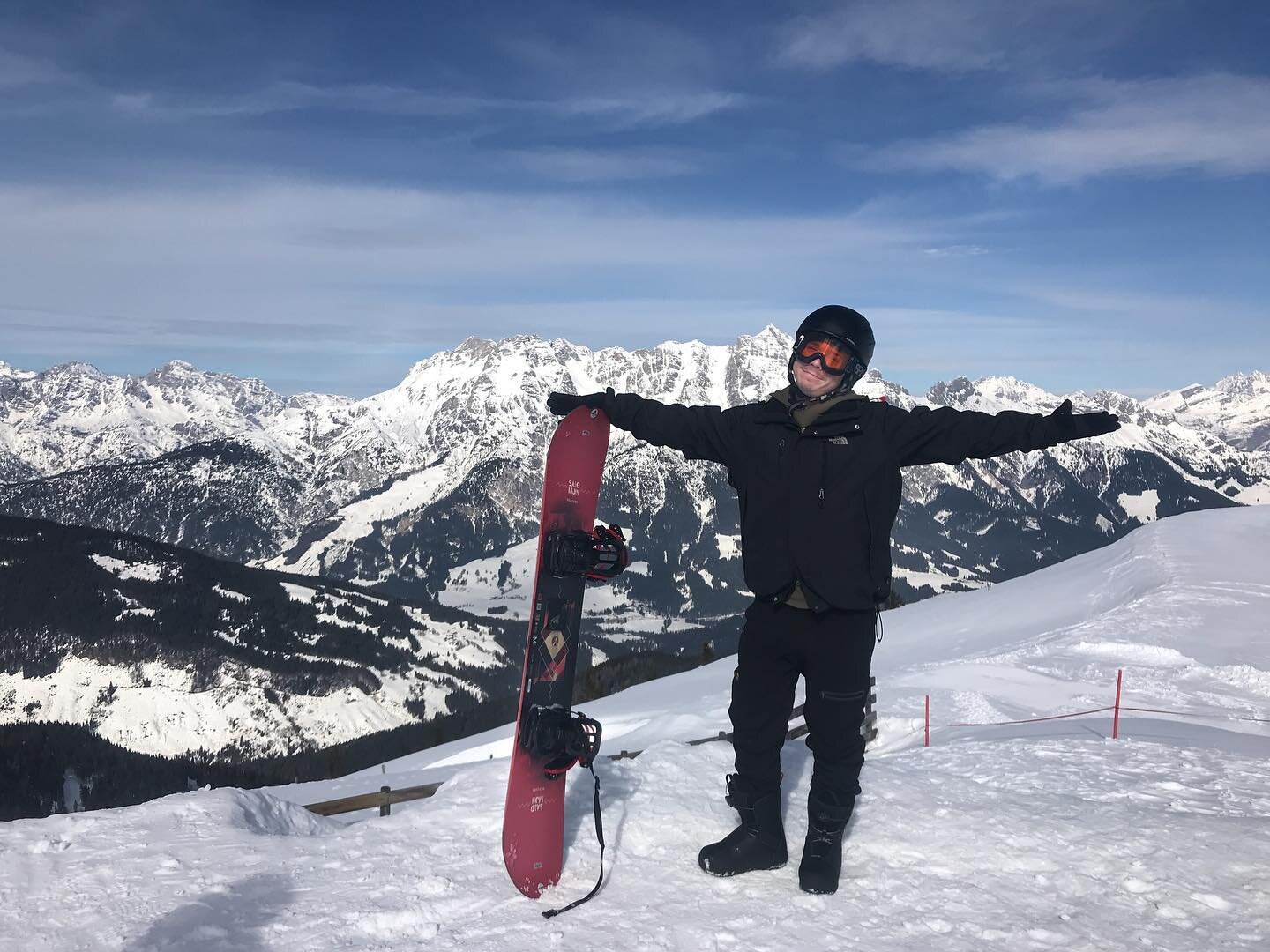
Use winter for skiing, snowshoeing, or other cold-weather activities.
This is one of the defining elements of the Boulder Colorado lifestyle. Outdoor recreation doesn't necessarily have to be a special event. It can become part of the rhythm of your week.
Boulder's location at the base of the Rocky Mountains makes that particularly easy. The University of Colorado Boulder notes that hiking and rock climbing opportunities are remarkably close to campus, while the city also provides access to cycling, skiing, and other outdoor activities.
Exploring Boulder's Local Culture
After moving, give yourself permission to be a tourist for a while.
Walk around Pearl Street. Try restaurants you've never heard of. Visit local galleries. Spend an afternoon exploring independent shops. Check out the Boulder County Farmers Market and attend community events.
This initial exploration helps you understand the city.
Eventually, though, you should start experiencing Boulder like a resident rather than a visitor.
Find your favorite coffee shop. Discover the trail you return to repeatedly. Figure out where you like to have breakfast on Saturday mornings. Find a neighborhood restaurant where the staff begins recognizing you.
Boulder's food, coffee, brewery, arts, and cultural scenes give residents plenty of opportunities to develop these personal routines. The Boulder Economic Council highlights the city's combination of outdoor recreation, arts, culture, restaurants, breweries, and community amenities as major contributors to its quality of life.
The goal isn't to check every attraction off a list. It's to create a version of Boulder that feels like yours.
Making Your Boulder Move About More Than Real Estate
It's easy to approach relocation as a real estate decision.
You compare home prices, browse listings, choose a neighborhood, sign a lease, and move your belongings.
But if your goal is to build a better life, the house is only one piece of the equation.
Think about the life you want to live after moving to Boulder.
Maybe that means starting work with a morning hike. Maybe it means biking to your favorite coffee shop, joining a climbing gym, attending local events, and spending weekends exploring the foothills.
For someone else, it might mean living in a quieter neighborhood, working remotely, taking evening walks, and developing a close circle of friends through local organizations.
There isn't one perfect version of the Boulder lifestyle.
The right version is the one that matches your personality, budget, career, and priorities.
Is the Boulder Colorado Lifestyle Right for You?
Boulder can be an excellent fit for people who want nature and an active lifestyle to play a meaningful role in everyday life.
It can be particularly appealing to:
Remote professionals who want to combine career flexibility with outdoor recreation.
Entrepreneurs and creatives who enjoy an intellectually active community.
Outdoor enthusiasts who want hiking, cycling, climbing, and other activities nearby.
Professionals working in technology, research, environmental science, education, and related industries.
Families looking for established residential neighborhoods and access to parks and recreation.
People who value wellness, sustainability, local businesses, and community activities.
However, Boulder isn't the right choice for everyone.
Housing costs are high, and the city's popularity can make finding the right property challenging. Boulder is also a relatively compact city, so people who want a large metropolitan lifestyle may prefer Denver.
The key is understanding what you're actually paying for.
You're not simply paying for a house. You're paying for proximity to trails, open space, a highly educated community, local businesses, outdoor recreation, and the ability to incorporate many of those things into your everyday routine.
Making Boulder Feel Like Home
Moving to Boulder can be much more than a change of address.
The real opportunity is to build a lifestyle around the qualities that attracted you to the city in the first place.
Choose a neighborhood that supports your routine. Find activities that naturally introduce you to other people. Build a professional network. Explore the local food and cultural scene. Most importantly, take advantage of the outdoor environment instead of treating it as something you only experience on vacation.
A successful relocation isn't measured by how quickly you unpack your boxes.
It's measured by how quickly you begin creating a life that feels genuinely yours.
For some people, that might mean morning hikes near the Flatirons and evenings on Pearl Street. For others, it could mean a quiet neighborhood, a remote career, weekend cycling, and a close-knit group of new friends.
That's ultimately what makes the Boulder Colorado lifestyle so appealing: you have the opportunity to design your daily life around the things you value most.
FAQs About the Boulder Colorado Lifestyle
Is Boulder, Colorado a good place to live?
Boulder can be an excellent place to live for people who prioritize outdoor recreation, community, wellness, and access to nature. The biggest consideration is cost, particularly housing.
Is Boulder, Colorado expensive?
Yes. Housing in Boulder is significantly more expensive than in many other Colorado communities. Anyone considering a move should compare local housing costs with their expected income and lifestyle expenses before relocating.
What is the Boulder Colorado lifestyle like?
The Boulder Colorado lifestyle tends to revolve around outdoor recreation, health, local businesses, community activities, and an active professional culture. Hiking, cycling, climbing, and other outdoor activities can become part of everyday life rather than occasional weekend activities.
What are the best areas to live in Boulder?
That depends on your priorities. Central Boulder can suit people who value walkability and proximity to Pearl Street. North Boulder and Table Mesa can appeal to people seeking a more residential atmosphere, while Gunbarrel and East Boulder may offer more space.
Is Boulder a good place for remote workers?
It can be. Remote workers can take advantage of Boulder's cafés, outdoor spaces, coworking opportunities, and active community. The city can be especially appealing if you want to structure your day around outdoor activities before or after work.
How can I meet people after moving to Boulder?
Joining hiking, cycling, climbing, running, volunteering, or other interest-based groups is a good starting point. Becoming a regular at local businesses and attending community events can also help you gradually build relationships.
Should I rent before buying in Boulder?
For many newcomers, renting first can be a smart strategy. It gives you time to experience different neighborhoods and understand your preferred daily routine before making a major property investment.
What should I consider before moving to Boulder?
Think beyond the house itself. Consider your housing budget, commute, neighborhood, access to trails, social opportunities, career plans, weather, and how often you'll realistically use the outdoor amenities that attracted you to Boulder in the first place.