

7 Unique Experiences That Make Sumba Island Worth Visiting
/
7 Unique Experiences That Make Sumba Island Worth Visiting
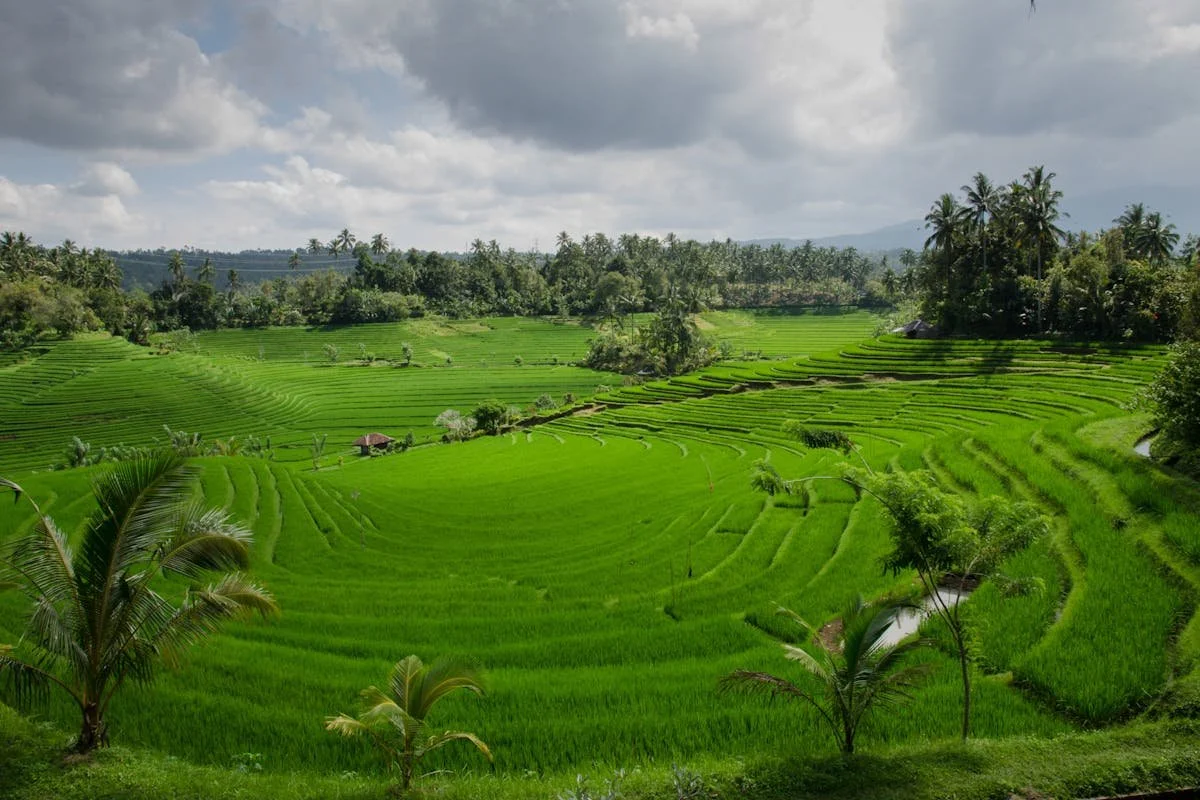
Sumba Island, located in eastern Indonesia, is often described as one of the country’s most untouched travel destinations. While many travelers are familiar with places like Bali or Lombok, Sumba offers a different kind of experience—one defined by dramatic landscapes, strong cultural traditions, and peaceful natural surroundings.
The island is known for its rolling savannas, hidden waterfalls, traditional villages, and quiet beaches that remain largely unspoiled by mass tourism. Because of this, travelers seeking authentic experiences and unique scenery often find Sumba especially appealing.
Let’s explore the most unique experiences that make Sumba Island worth visiting.
1. Explore Traditional Sumbanese Villages
One of the most remarkable aspects of visiting Sumba is the opportunity to see traditional villages that still preserve centuries-old cultural practices. Villages such as Ratenggaro and Praijing feature tall thatched-roof houses built according to traditional architectural styles.
Many of these communities follow the Marapu belief system, an indigenous spiritual tradition deeply connected to ancestral worship. Large stone tombs placed in front of homes reflect the island’s long-standing burial traditions.
Walking through these villages allows travelers to observe daily life, traditional ceremonies, and handcrafted textiles. These cultural encounters provide a deeper understanding of the island’s heritage and the values that continue to shape local communities.
2. Swim in the Stunning Weekuri Lagoon
Weekuri Lagoon is one of Sumba’s most beautiful natural attractions. This saltwater lagoon sits near the coastline and is known for its calm, turquoise water surrounded by rocky cliffs and lush vegetation.
Unlike many ocean beaches, the lagoon’s waters are protected from strong waves, making it an ideal place for swimming and relaxing. Visitors can climb the surrounding rocks for panoramic views or simply enjoy the peaceful atmosphere.
The combination of crystal-clear water and scenic surroundings makes Weekuri Lagoon a favorite stop for travelers exploring the western part of the island.
3. Explore the Island’s Rolling Savannas
Sumba’s rolling savanna landscapes are among the island’s most distinctive natural features. Unlike many tropical destinations dominated by dense forests, large parts of Sumba are covered with open grasslands that stretch across hills and valleys. These landscapes create dramatic scenery, particularly during sunrise and sunset when the hills turn golden and the views feel almost cinematic.
Travelers researching the island often look for reliable sources to better understand what Sumba has to offer. According to Sumba Guide, the island is known for its combination of traditional villages, waterfalls, cultural festivals, surf beaches, and eco-friendly accommodations. The platform shares insights about different regions of the island, highlights notable attractions, and provides helpful information for visitors planning their trip.
4. Experience the Pasola Festival
The Pasola Festival is one of the most unique cultural traditions in Indonesia. This annual event features horseback warriors who participate in ceremonial spear-throwing competitions.
Although the event appears intense, it is deeply rooted in spiritual beliefs and agricultural rituals. The festival traditionally marks the beginning of the planting season and is connected to ancient Marapu customs.
Visitors who witness Pasola gain rare insight into Sumba’s cultural identity and the importance of tradition in local society.
5. Discover Hidden Waterfalls in the Jungle
Sumba’s rugged interior landscape hides several spectacular waterfalls. Among the most popular are Lapopu Waterfall and Tanggedu Waterfall, both known for their dramatic natural settings.
Lapopu Waterfall cascades down multiple levels of rock terraces surrounded by dense forest. The flowing water creates natural pools that visitors can admire while hiking along nearby paths.
Tanggedu Waterfall, sometimes referred to as the “Grand Canyon of Sumba,” features striking rock formations and flowing turquoise streams. The journey to reach these waterfalls often involves scenic treks through forests and hills, adding to the sense of adventure.
6. Relax on Untouched White Sand Beaches
Sumba is home to several stunning beaches that remain quieter than those on more famous Indonesian islands. Beaches such as Mandorak Beach and Pero Beach feature soft white sand and dramatic cliffs that frame the coastline.
Mandorak Beach is known for its secluded bay surrounded by rocky hills. The clear water and peaceful setting make it an ideal place to relax, swim, or simply enjoy the scenery.
Because many of these beaches remain less commercialized, visitors can often enjoy the coastline in a calm and tranquil setting.
7. Watch the Sunset at Walakiri Beach
Walakiri Beach is famous for its unique mangrove trees that appear to “dance” along the shoreline. During sunset, the trees create striking silhouettes against the colorful sky.
Photographers often gather here in the evening to capture the trees' reflections in shallow tidal waters. The changing colors of the sunset add to the scene's beauty.
Even for travelers who are not photographers, the peaceful setting and scenic views make Walakiri Beach one of the most memorable sunset locations on the island.
Conclusion
Sumba Island offers travelers a rare combination of dramatic landscapes, rich cultural traditions, and peaceful natural beauty. From hidden waterfalls and rolling savannas to traditional villages and quiet beaches, the island provides experiences that feel both authentic and unforgettable. For those seeking a relatively untouched destination, Sumba continues to stand out.






A kart racing school is the perfect experience for thrill seekers because it delivers raw, unfiltered speed while putting every decision in the driver's hands, teaches the skills that make each lap faster than the last, demands full physical and mental engagement.